



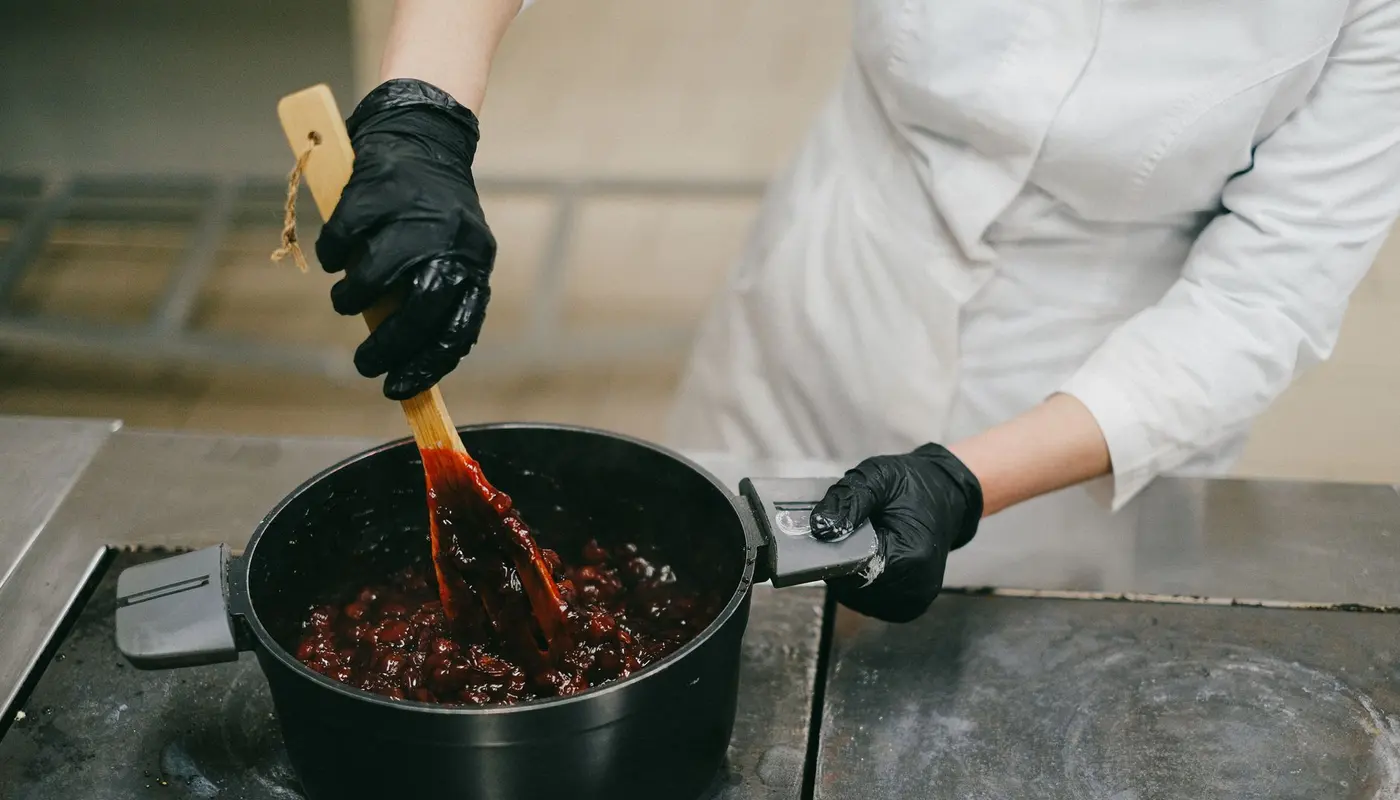
Indian cooking demands high, sustained heat for gravies, dals, rice, and large pots. A weak commercial gas range becomes a bottleneck during peak hours. Choosing the right one improves speed, consistency, and staff comfort.
Key Features That Matter
- High BTU burners: Especially important for stock-pot and front burners. Higher BTU means faster boiling and better recovery when cold pots are placed.
- Heavy construction: Thick cast-iron or stainless-steel grates and a sturdy frame that will not warp.
- Individual controls and pilots: Easier operation and better safety.
- Multiple burner configuration: 4-burner for smaller or medium restaurants; 6-burner (sometimes with oven base) for higher volume.
- Easy cleaning and drainage: Grease and spills are constant. Designs that allow quick cleaning save labor.
- Gas safety features: Flame failure devices where available.
Popular Configurations
- Standard 4-burner range for most independent restaurants.
- 6-burner with or without oven for busier kitchens.
- Chinese / wok range with high-BTU burners for Indo-Chinese or specialized menus.
- Combination setups with dedicated stock-pot burners.
Buying and Sizing Tips
Match the number of burners to how many dishes you cook simultaneously during peak. Do not under-size. Check local service support and spare-parts availability. Prefer suppliers who can demonstrate the range or provide clear specifications. Gas consumption and ventilation requirements should be discussed during planning.
Common Mistakes
- Choosing the cheapest range that cannot sustain heat under load.
- Ignoring the quality of grates and frame.
- Not coordinating with the exhaust system design.
Photo by Anna Shvets on Pexels.
Frequently Asked Questions
Is gas still better than induction for Indian restaurants?
For traditional high-heat gravies and large-batch cooking, most operators still prefer gas. Many kitchens use a combination.
What size range do most medium restaurants need?
A solid 4- or 6-burner commercial range is the most common starting point.
How important is after-sales?
Very. A range that breaks during service costs far more than the initial price difference.