



QSR and fast-casual expansion into Tier-2 cities requires equipment that is consistent, easy to operate, and supportable outside major metros.
Equipment Priorities
- Standardized cooking platforms (consistent fryers, griddles, or ranges) so food quality remains the same across outlets.
- Reliable, energy-efficient refrigeration sized for the format.
- Easy-to-clean surfaces and equipment that withstand high staff turnover.
- Compact footprints suitable for smaller real-estate spaces common in many Tier-2 locations.
- Strong local or regional service networks—critical when you cannot rely on metro-level support density.
Operational Considerations
Choose models that are simple to train on. Maintain a short approved-equipment list so spare parts and technician knowledge stay manageable as you open more stores. Factor in local power quality and water conditions when selecting dishwashers or refrigeration. Total cost of ownership and uptime matter more than marginal differences in purchase price.
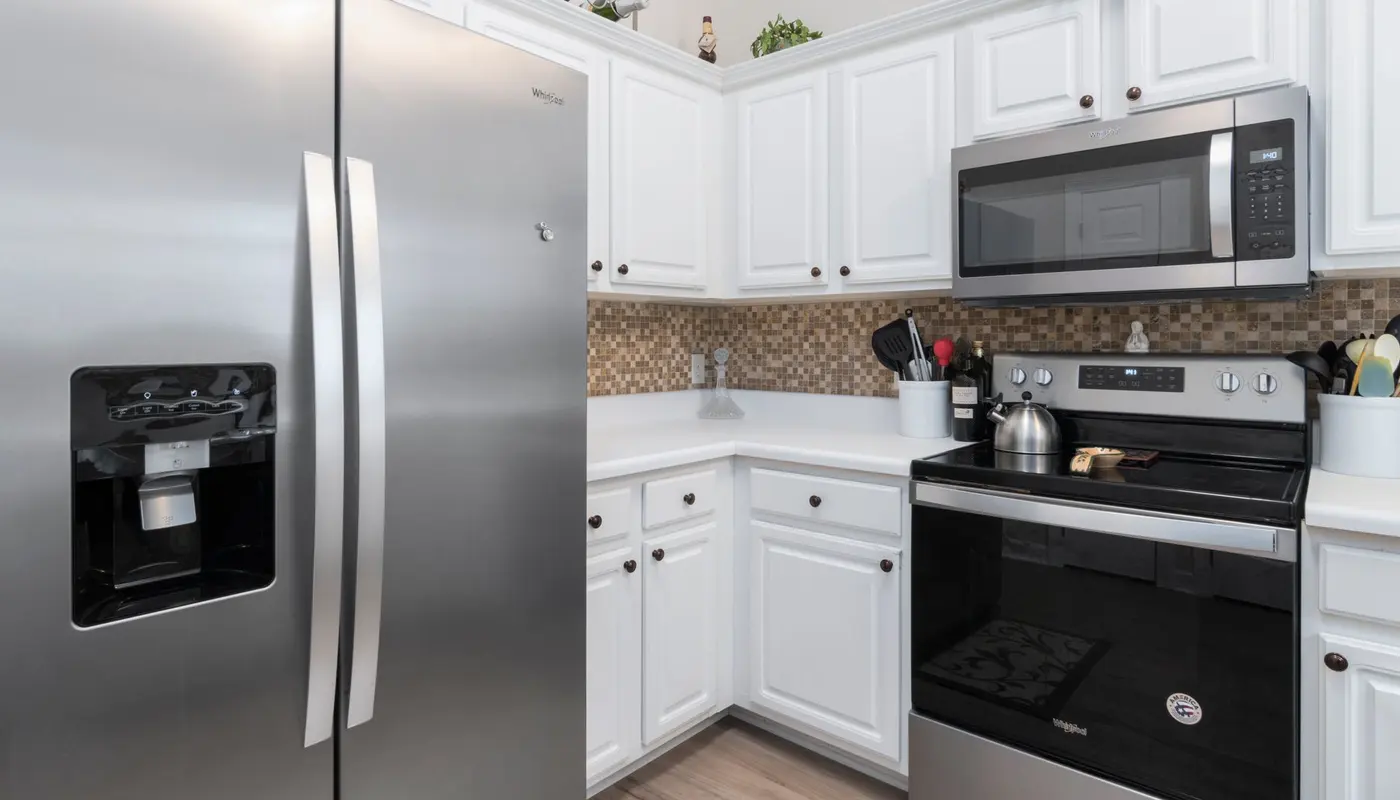
Photo by Curtis Adams on Pexels.
Frequently Asked Questions
What matters most for Tier-2 expansion?
Equipment reliability plus accessible service support.
Should every outlet have identical equipment?
As close as possible—standardization simplifies training, maintenance, and quality control.
Are premium brands viable?
Yes for high-impact items if service coverage exists; otherwise prioritize well-supported commercial-grade options.