



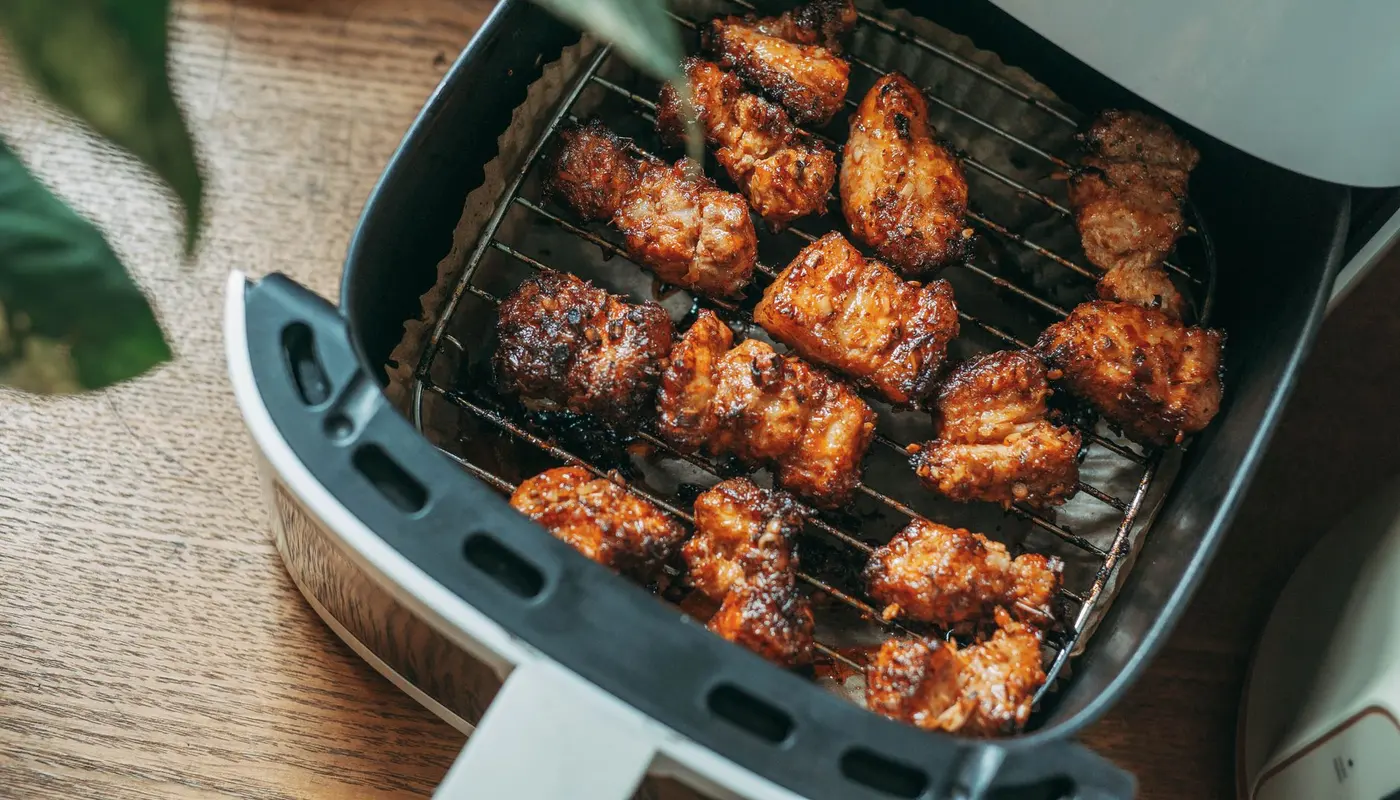
Deep fryers are essential in most Indian commercial kitchens for snacks, Indo-Chinese items, fried chicken, and many fast-food menus. The right fryer improves product consistency, oil life, and peak-hour throughput. This guide covers the main types available in India, capacity selection, operating costs, and realistic 2026 pricing.
Types of Commercial Deep Fryers
1. Single-Basket Fryers
Suitable for low-volume operations or single-menu items. Oil capacity typically 6–12 litres. Most affordable option but can become a bottleneck during peaks.
2. Double-Basket Fryers
The most common choice for restaurants and cloud kitchens. Allows simultaneous cooking of different items or veg/non-veg separation. Oil capacity usually 12–24 litres total. Preferred for food safety and workflow.
3. High-Capacity / Multi-Basket Fryers
Used in high-volume QSRs, hotels, and central kitchens. Larger oil volumes and faster recovery times.
Gas vs Electric Fryers
Gas fryers remain popular in India due to lower running costs and faster recovery in many cases. They require proper gas lines and ventilation.
Electric fryers are cleaner, easier to install in some buildings, and preferred by many cloud kitchens. Operating cost is higher depending on electricity tariffs, but they offer precise temperature control.
Most operators choose based on available utilities and local energy costs.
Capacity and Recovery Time
Recovery time (how quickly oil returns to frying temperature after food is added) is more important than oil capacity alone. A fryer with poor recovery produces inconsistent results during busy periods.
Practical guidance:
- Small café / cloud kitchen: 8–12 litre double fryer
- Medium restaurant: 12–18 litre double fryer
- High-volume: Larger capacity or multiple units
Indicative Prices (2026)
| Type | Oil Capacity | Approximate Price |
|---|---|---|
| Single electric fryer | 6–8 L | ₹12,000 – ₹25,000 |
| Double electric fryer | 2×8–12 L | ₹25,000 – ₹50,000 |
| Single gas fryer | 8–15 L | ₹15,000 – ₹35,000 |
| Double gas fryer | 2×10–15 L | ₹30,000 – ₹70,000 |
Premium models with better filtration and temperature control cost more but often deliver longer oil life.
Oil Management and Operating Costs
Oil is a recurring expense. Factors that extend oil life:
- Correct temperature control (avoid overheating)
- Regular filtration
- Proper food-to-oil ratio
- Avoiding water contamination
Many operators underestimate oil cost. A well-specified fryer with good temperature recovery and filtration can reduce oil consumption meaningfully.
Key Specifications to Check
- Oil capacity and basket size
- Recovery time / heating power
- Temperature range and control accuracy
- Built-in filtration (if available)
- Construction material (SS preferred)
- Safety features (overheat protection, cool zone if present)
- Service support
Common Mistakes
- Buying a single-basket fryer for a mixed menu
- Ignoring recovery time
- Choosing the cheapest model without checking oil capacity and power
- Poor oil management leading to higher operating costs
Conclusion
A double-basket commercial fryer is the practical choice for most restaurants and cloud kitchens in India. Matching capacity to peak demand, prioritising temperature recovery, and managing oil properly will deliver better product consistency and lower operating costs than the lowest-priced option.
Photo by FOX ^.ᆽ.^= ∫ on Pexels.
Frequently Asked Questions
What should you know about single-Basket Fryers?
Suitable for low-volume operations or single-menu items. Oil capacity typically 6–12 litres. Most affordable option but can become a bottleneck during peaks.
What should you know about double-Basket Fryers?
The most common choice for restaurants and cloud kitchens. Allows simultaneous cooking of different items or veg/non-veg separation. Oil capacity usually 12–24 litres total. Preferred for food safety and workflow.
What should you know about high-Capacity / Multi-Basket Fryers?
Used in high-volume QSRs, hotels, and central kitchens. Larger oil volumes and faster recovery times.
What should you know about capacity and Recovery Time?
Recovery time (how quickly oil returns to frying temperature after food is added) is more important than oil capacity alone. A fryer with poor recovery produces inconsistent results during busy periods.