



Indian cooking generates substantial heat, smoke, and grease. An inadequate exhaust system creates uncomfortable working conditions, grease buildup, fire risk, and potential compliance problems.
Core Requirements
- Hood that fully covers all cooking equipment (ranges, tandoors, fryers, etc.).
- Sufficient airflow (CFM) calculated for the equipment and cooking style.
- Proper ducting, filters, and access for cleaning.
- Fire suppression integration where required by local norms.
- Make-up air consideration so the kitchen does not become negatively pressurized.
Why It Matters More in Indian Kitchens
High-BTU gas ranges, tandoors, and frequent frying produce more effluent than many Western-style kitchens. Undersized hoods are a common and expensive mistake discovered only after opening. Plan the exhaust early—ideally during kitchen layout—rather than as an afterthought.
Practical Advice
Work with experienced fabricators or suppliers who understand commercial kitchen ventilation. Insist on cleanable designs. Budget adequately; cutting corners here affects staff retention, safety, and sometimes licensing. Regular professional cleaning is mandatory for performance and fire safety.
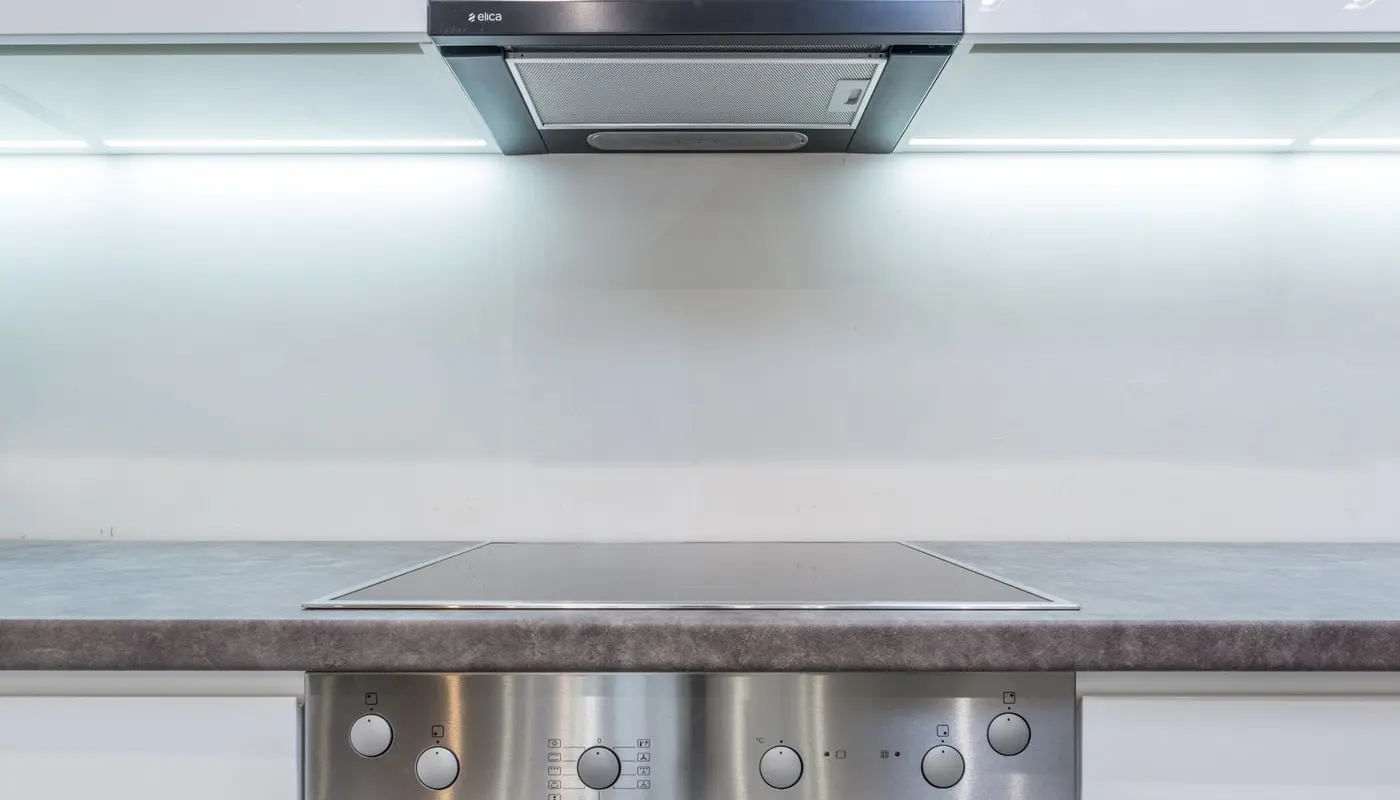
Photo by Max Vakhtbovych on Pexels.
Frequently Asked Questions
Is a proper exhaust system mandatory?
Yes for most commercial kitchens with open-flame or high-heat equipment.
What is the most common problem?
Hoods that are too small or poorly positioned relative to the equipment.
Can I install exhaust after the kitchen is built?
Possible but usually more expensive and disruptive than planning it correctly from the start.