



Central kitchens (commissaries) produce food for multiple outlets, cloud kitchen brands, or hotel properties. They require higher capacity, better process control, and equipment that supports batch production and safe distribution. This guide outlines the core equipment approach.
Key Equipment Categories
High-Volume Cooking
- Large combi ovens or multiple ovens
- High-capacity ranges and stock pot burners
- Tilting braising pans or steam-jacketed kettles
- High-throughput fryers
Cooling & Storage
- Blast chillers (essential for cook-chill systems)
- Large walk-in cold rooms and freezers
- Adequate reach-in capacity for staging
Preparation
- Commercial vegetable cutters and food processors
- Large mixers
- Extensive work table and GN pan capacity
- Portioning and packaging equipment
Support
- High-capacity dishwashing
- Robust exhaust and utilities
- Inventory and temperature monitoring systems
Process Considerations
Central kitchens typically follow cook-chill or cook-freeze methods. This makes blast chilling and reliable cold storage critical for food safety and quality during distribution to outlets.
Capacity Planning
Size equipment for the combined volume of all outlets served, plus buffer. Production is usually scheduled in batches rather than continuous à-la-carte style.
Investment Level
Central kitchens generally require significantly higher equipment investment than single-site restaurants, often ₹25 lakh to several crores depending on scale and automation level. The largest shares typically go to cooking capacity, blast chilling, and cold storage.
Conclusion
Central kitchen equipment prioritises high-volume cooking, rapid cooling, and large-scale cold storage. Blast chillers and well-designed walk-in facilities are particularly important for food safety in multi-outlet operations. Planning around batch production processes rather than restaurant-style service produces better results.
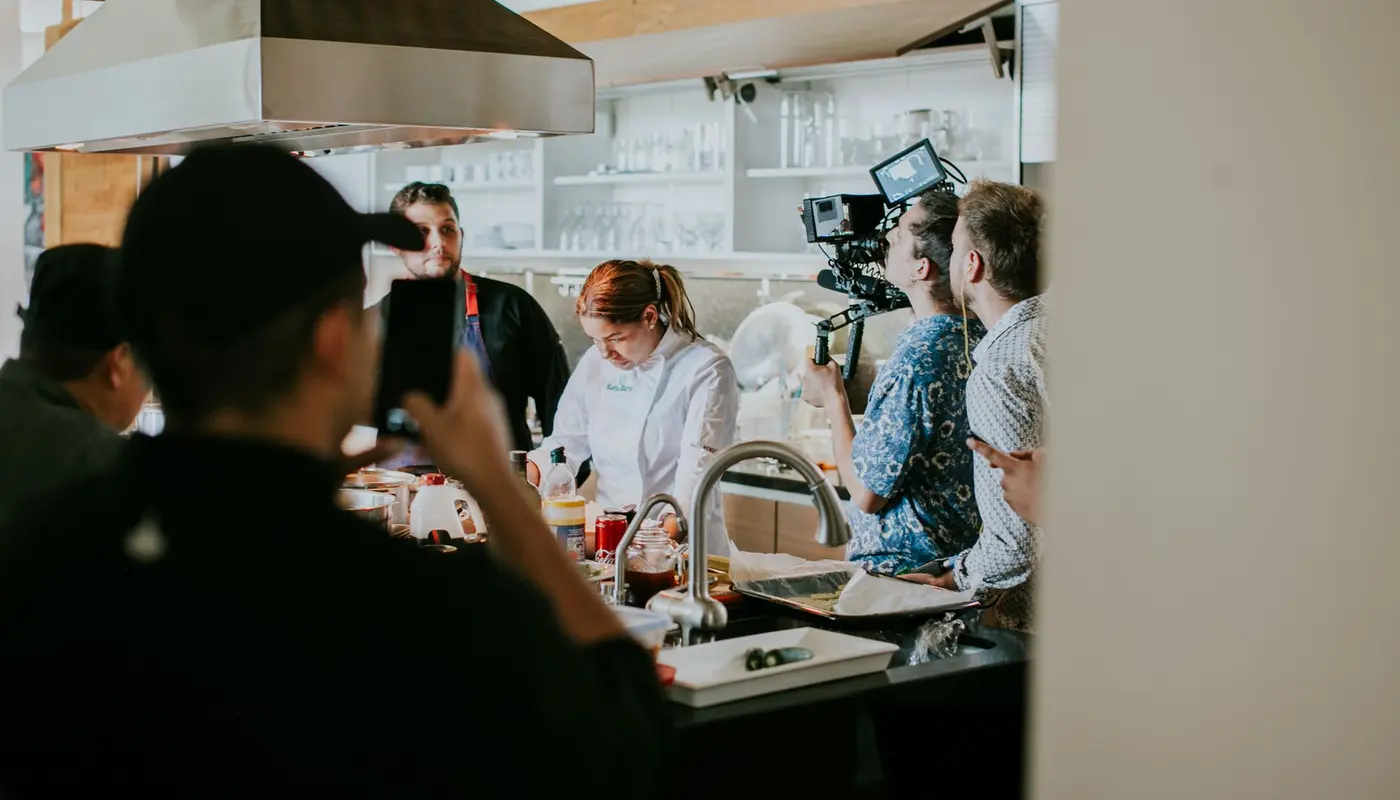
Photo by Amar Preciado on Pexels.
Frequently Asked Questions
What should you know about process Considerations?
Central kitchens typically follow cook-chill or cook-freeze methods. This makes blast chilling and reliable cold storage critical for food safety and quality during distribution to outlets.
What should you know about capacity Planning?
Size equipment for the combined volume of all outlets served, plus buffer. Production is usually scheduled in batches rather than continuous à-la-carte style.
What should you know about investment Level?
Central kitchens generally require significantly higher equipment investment than single-site restaurants, often ₹25 lakh to several crores depending on scale and automation level. The largest shares typically go to cooking capacity, blast chilling, and cold storage.