



Procuring commercial kitchen equipment efficiently saves both time and money. Many buyers spend weeks contacting individual dealers, receiving incomplete quotes, and struggling to compare offers. This guide outlines practical steps to improve the procurement process for hotels, restaurants, and cloud kitchens in India.
1. Define Requirements Clearly
Before contacting suppliers, document:
- Equipment list with approximate capacities
- Preferred brands (if any)
- Must-have specifications
- Delivery location and timeline
- Installation requirements
Clear requirements lead to more comparable quotes.
2. Use Competitive Quoting
Contacting multiple suppliers improves pricing and reveals specification differences. A single RFQ sent to several verified suppliers is more efficient than sequential negotiations.
Typical improvement from competitive quoting is 5–15% on many items, though results vary by equipment category and brand.
3. Compare More Than Price
Evaluate:
- Exact specifications and brand
- Warranty terms
- Installation and commissioning support
- After-sales service network
- Lead time
- Payment terms
The lowest quote is not always the best value if service support is weak.
4. Verify Authenticity for Branded Equipment
For premium brands (dishwashers, combi ovens, refrigeration), confirm the supplier is authorised or can provide genuine products with proper warranty.
5. Plan for Installation and Utilities
Confirm power, gas, water, and drainage requirements early. Installation costs and site readiness often affect total project cost and timeline.
6. Document Everything
Keep written quotes, specifications, and communication. This reduces disputes and helps with future purchases or warranty claims.
Common Procurement Mistakes
- Accepting verbal quotes only
- Comparing incomplete or non-equivalent specifications
- Ignoring service network outside major cities
- Delaying decisions until equipment lead times affect opening schedules
- Focusing only on purchase price rather than total cost of ownership
Conclusion
Structured procurement — clear specifications, competitive quoting, and evaluation of service support — reduces both cost and risk when buying commercial kitchen equipment. Most buyers benefit from platforms that allow a single RFQ to reach multiple verified suppliers.
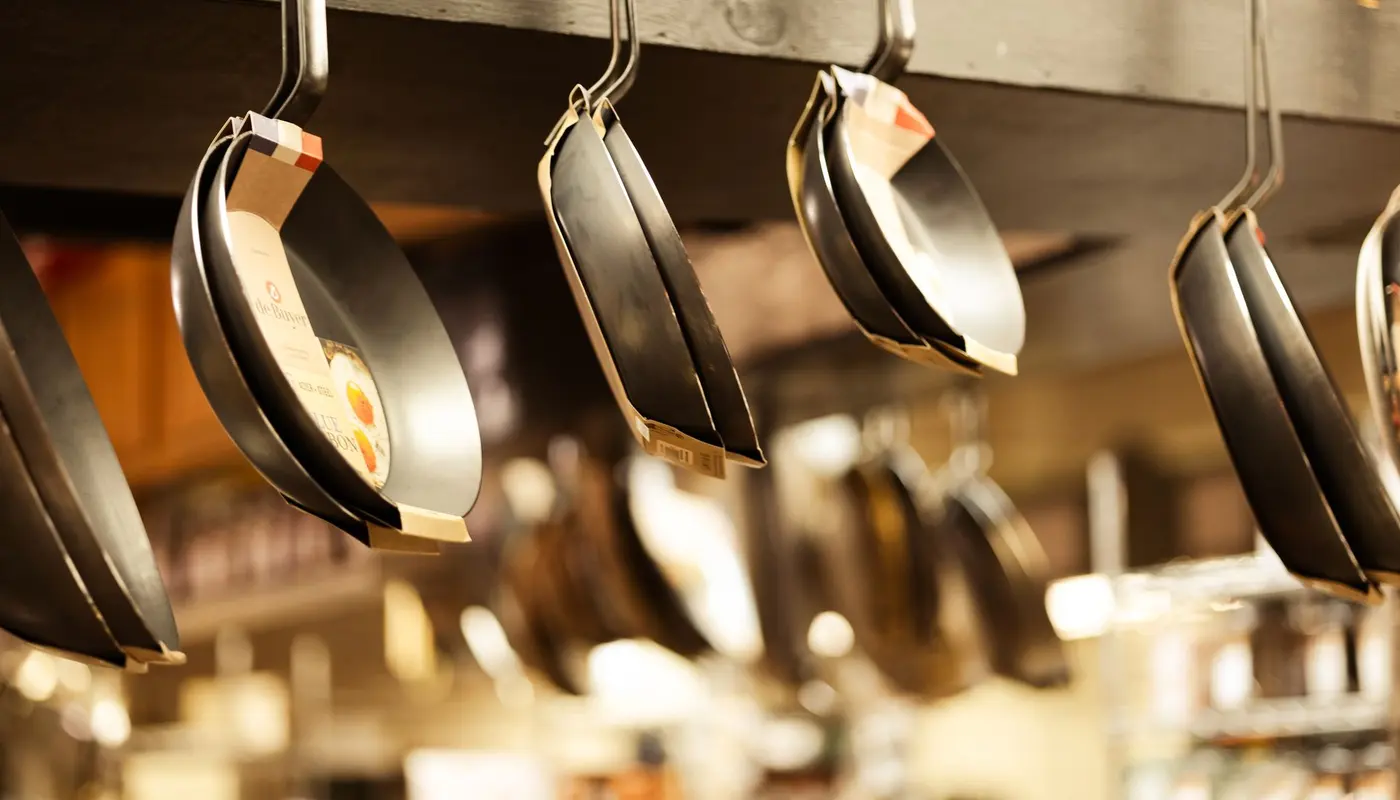
Photo by Owen.outdoors on Pexels.
Frequently Asked Questions
What should you know about define Requirements Clearly?
Before contacting suppliers, document: - Equipment list with approximate capacities - Preferred brands (if any) - Must-have specifications - Delivery location and timeline - Installation requirements
What should you know about use Competitive Quoting?
Contacting multiple suppliers improves pricing and reveals specification differences. A single RFQ sent to several verified suppliers is more efficient than sequential negotiations.
What should you know about compare More Than Price?
Evaluate: - Exact specifications and brand - Warranty terms - Installation and commissioning support - After-sales service network - Lead time - Payment terms
What should you know about verify Authenticity for Branded Equipment?
For premium brands (dishwashers, combi ovens, refrigeration), confirm the supplier is authorised or can provide genuine products with proper warranty.