



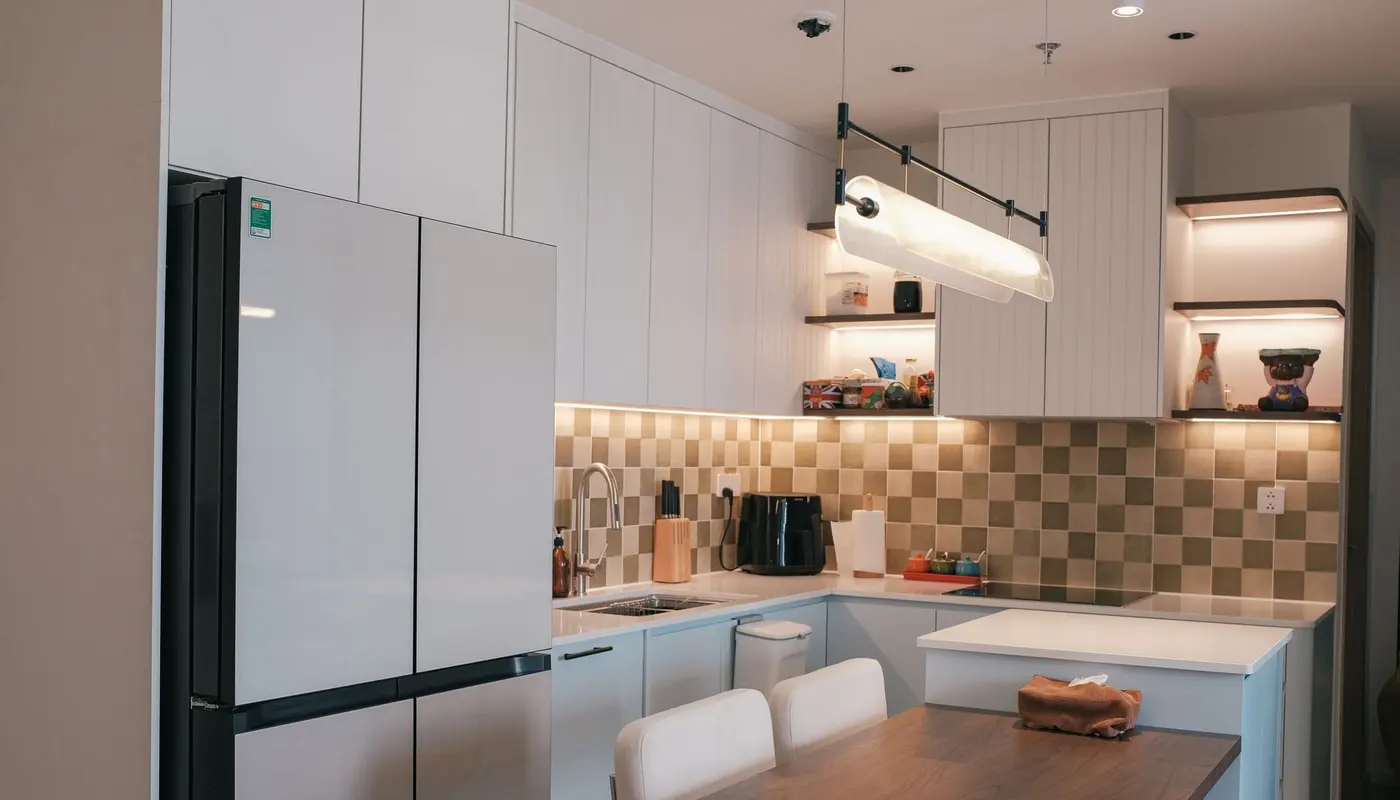
Refrigeration is the backbone of food safety and cost control in any commercial kitchen. Undersized or unreliable cold storage leads to higher wastage, compliance risk, and operational stress. Oversized equipment wastes capital and energy. This guide covers the main types of commercial refrigeration used in Indian hotels and restaurants, realistic 2026 price ranges, capacity planning, and practical buying criteria.
Types of Commercial Refrigeration
1. Reach-in / Vertical Refrigerators and Freezers
Upright cabinets (single, double, or multi-door) are the most common choice for daily storage. They provide organised shelving and quick access. Temperature ranges are typically +2°C to +8°C for chillers and –18°C to –22°C for freezers.
2. Undercounter Refrigerators
Placed under prep tables or cooking lines for point-of-use storage. Ideal for smaller kitchens, bars, and cloud kitchens where floor space is limited. Capacities usually range from 150–400 litres.
3. Walk-in Cold Rooms and Freezer Rooms
Modular or site-built rooms for bulk storage. Essential for hotels, larger restaurants, and central kitchens. Chiller rooms operate at +2°C to +8°C; freezer rooms at –18°C or lower. They offer the highest capacity and best organisation for high-volume operations.
4. Display Refrigerators
Glass-door units for front-of-house use (beverages, desserts, ready-to-eat items). More relevant for cafés, bakeries, and QSR than pure production kitchens.
Capacity Planning Guidelines
A practical starting point used by kitchen planners:
- Small café / cloud kitchen (50–80 orders): 1 vertical refrigerator + 1 deep freezer
- Medium restaurant (80–150 covers): 1–2 vertical refrigerators + dedicated freezer + undercounter units at stations
- Hotel or high-volume kitchen: Walk-in cold room + walk-in freezer + multiple reach-ins
Many operators underestimate cold storage by 20–30%. Always size for peak inventory (weekend or banquet days) rather than average daily use. Separate chillers and freezers perform better than trying to manage both temperatures in one space.
Price Ranges in India (2026 Indicative)
| Equipment Type | Capacity Range | Approximate Price |
|---|---|---|
| Undercounter chiller | 150–300 L | ₹45,000 – ₹90,000 |
| Vertical refrigerator (2-door) | 600–1,000 L | ₹55,000 – ₹1.2 lakh |
| Vertical freezer (2-door) | 500–900 L | ₹65,000 – ₹1.5 lakh |
| Small walk-in chiller | ~8–12 m³ | ₹3.5 – 7 lakh |
| Medium walk-in freezer room | Custom | ₹8 – 18 lakh |
Premium brands such as Hoshizaki command higher prices but are preferred in hotels for reliability and service support. Domestic manufacturers offer more competitive pricing for smaller operations.
Key Specifications to Check
- Temperature range and recovery time — How quickly the unit returns to set temperature after door openings.
- Insulation thickness — Especially important in hot Indian climates.
- Compressor brand and warranty — Major cost of ownership factor.
- Energy consumption — Look for inverter or high-efficiency models where available.
- Door type and gaskets — Self-closing doors and good seals reduce energy loss.
- Service network — Critical outside major metros.
- Water drainage and defrost system — Automatic defrost preferred.
Cold Room Considerations
Walk-in cold rooms require more planning than reach-in units:
- PUF panel thickness (usually 60–100 mm depending on temperature)
- Proper flooring and drainage
- Door type and size for trolley access
- Adequate refrigeration capacity for Indian ambient temperatures
- Backup or redundancy for hotels
A small modular walk-in chiller for a restaurant typically starts around ₹3.5–6 lakh installed. Larger hotel installations scale significantly higher.
Common Mistakes
- Buying residential refrigerators for commercial use
- Under-sizing capacity for peak periods
- Ignoring ambient temperature impact on compressor sizing
- Skipping proper drainage and ventilation clearances
- Choosing only on lowest price without service support
Conclusion
Commercial refrigeration directly affects food safety, wastage, and operating costs. Most restaurants and cloud kitchens can manage with well-specified vertical refrigerators and freezers. Hotels and higher-volume operations benefit from walk-in cold rooms. Matching capacity to actual peak inventory, prioritising temperature recovery and service support, and verifying energy efficiency will deliver better long-term value than the cheapest available option.
Source Commercial Refrigeration from Verified Suppliers
Compare vertical refrigerators, undercounter chillers, freezers, and cold room solutions on Hospiverse. Post one RFQ and receive competitive quotes from multiple verified suppliers — free for buyers, usually within 24–48 hours.
Frequently Asked Questions
What should you know about reach-in / Vertical Refrigerators and Freezers?
Upright cabinets (single, double, or multi-door) are the most common choice for daily storage. They provide organised shelving and quick access. Temperature ranges are typically +2°C to +8°C for chillers and –18°C to –22°C for freezers.
What should you know about undercounter Refrigerators?
Placed under prep tables or cooking lines for point-of-use storage. Ideal for smaller kitchens, bars, and cloud kitchens where floor space is limited. Capacities usually range from 150–400 litres.
What should you know about walk-in Cold Rooms and Freezer Rooms?
Modular or site-built rooms for bulk storage. Essential for hotels, larger restaurants, and central kitchens. Chiller rooms operate at +2°C to +8°C; freezer rooms at –18°C or lower. They offer the highest capacity and best organisation for high-volume operations.
What should you know about display Refrigerators?
Glass-door units for front-of-house use (beverages, desserts, ready-to-eat items). More relevant for cafés, bakeries, and QSR than pure production kitchens.