



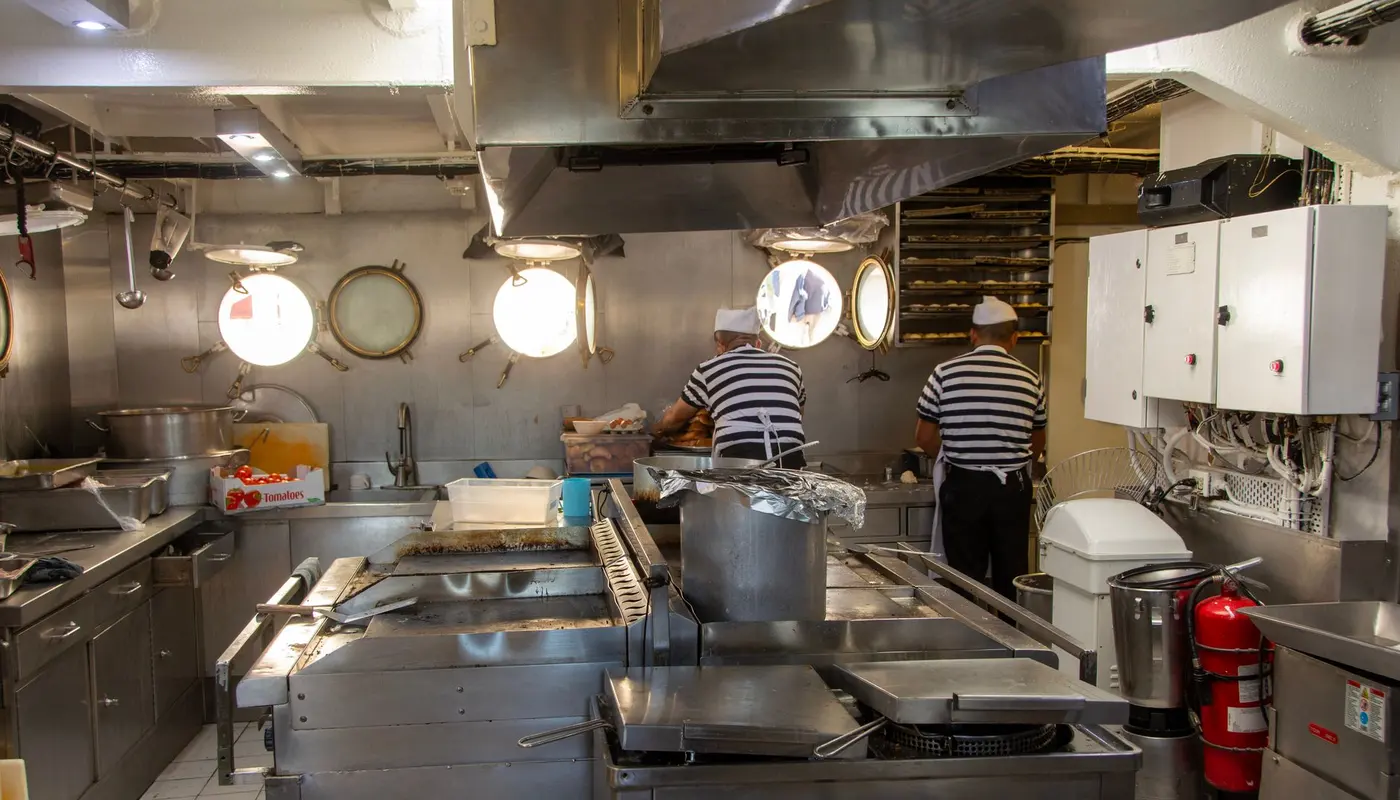
Commercial vegetable cutters and food processors reduce labour time and improve consistency in high-volume kitchens. They are particularly valuable for hotels, restaurants, and cloud kitchens preparing large quantities of vegetables daily. This guide covers the main types, capacity selection, and realistic 2026 pricing in India.
Types of Equipment
1. Vegetable Cutters / Slicers
Dedicated machines for slicing, dicing, and shredding vegetables. Faster and more consistent than manual preparation for high volumes. Available with interchangeable blades or discs.
2. Food Processors
More versatile machines that can chop, puree, mix, and slice. Suitable for smaller to medium volumes and multiple tasks.
3. Combination Units
Some commercial models offer both cutting and processing functions with multiple attachments.
Capacity and Throughput
Throughput is measured in kilograms per hour.
- Small restaurant or café: 50–100 kg/hour capacity is often sufficient
- Medium restaurant or hotel kitchen: 100–300 kg/hour
- High-volume or central kitchen: Higher capacity or multiple units
Match capacity to peak preparation periods rather than average daily use.
Indicative Prices (2026)
| Type | Approximate Price |
|---|---|
| Entry-level commercial vegetable cutter | ₹25,000 – ₹60,000 |
| Mid-range multi-function cutter | ₹50,000 – ₹1.2 lakh |
| Heavy-duty / high-capacity model | ₹1 – 2.5 lakh |
| Commercial food processor | ₹20,000 – ₹80,000 |
Prices depend on motor power, blade quality, capacity, and brand. Durable stainless steel construction is preferred for commercial use.
Key Specifications to Check
- Motor power and continuous-duty rating
- Throughput capacity (kg/hour)
- Available blade or disc options
- Ease of cleaning and blade changing
- Safety features (guards, emergency stop)
- Construction material and durability
- Service and spare parts availability
Benefits in Commercial Kitchens
- Significant reduction in preparation labour
- Consistent cut sizes improve cooking uniformity
- Faster turnaround during peak preparation hours
- Reduced knife-related injuries
Common Mistakes
- Buying a machine that is underpowered for daily volume
- Ignoring ease of cleaning and blade maintenance
- Choosing the cheapest model without checking continuous-duty capability
- Not training staff on safe operation
Conclusion
Commercial vegetable cutters deliver strong labour savings in hotels and higher-volume restaurants. Most medium kitchens benefit from a mid-range multi-function cutter, while smaller operations may start with a compact food processor. Prioritising motor power, cleaning ease, and service support ensures better long-term performance.
Photo by Jan van der Wolf on Pexels.
Frequently Asked Questions
What should you know about vegetable Cutters / Slicers?
Dedicated machines for slicing, dicing, and shredding vegetables. Faster and more consistent than manual preparation for high volumes. Available with interchangeable blades or discs.
What should you know about food Processors?
More versatile machines that can chop, puree, mix, and slice. Suitable for smaller to medium volumes and multiple tasks.
What should you know about combination Units?
Some commercial models offer both cutting and processing functions with multiple attachments.
What should you know about indicative Prices (2026)?
Prices depend on motor power, blade quality, capacity, and brand. Durable stainless steel construction is preferred for commercial use.