



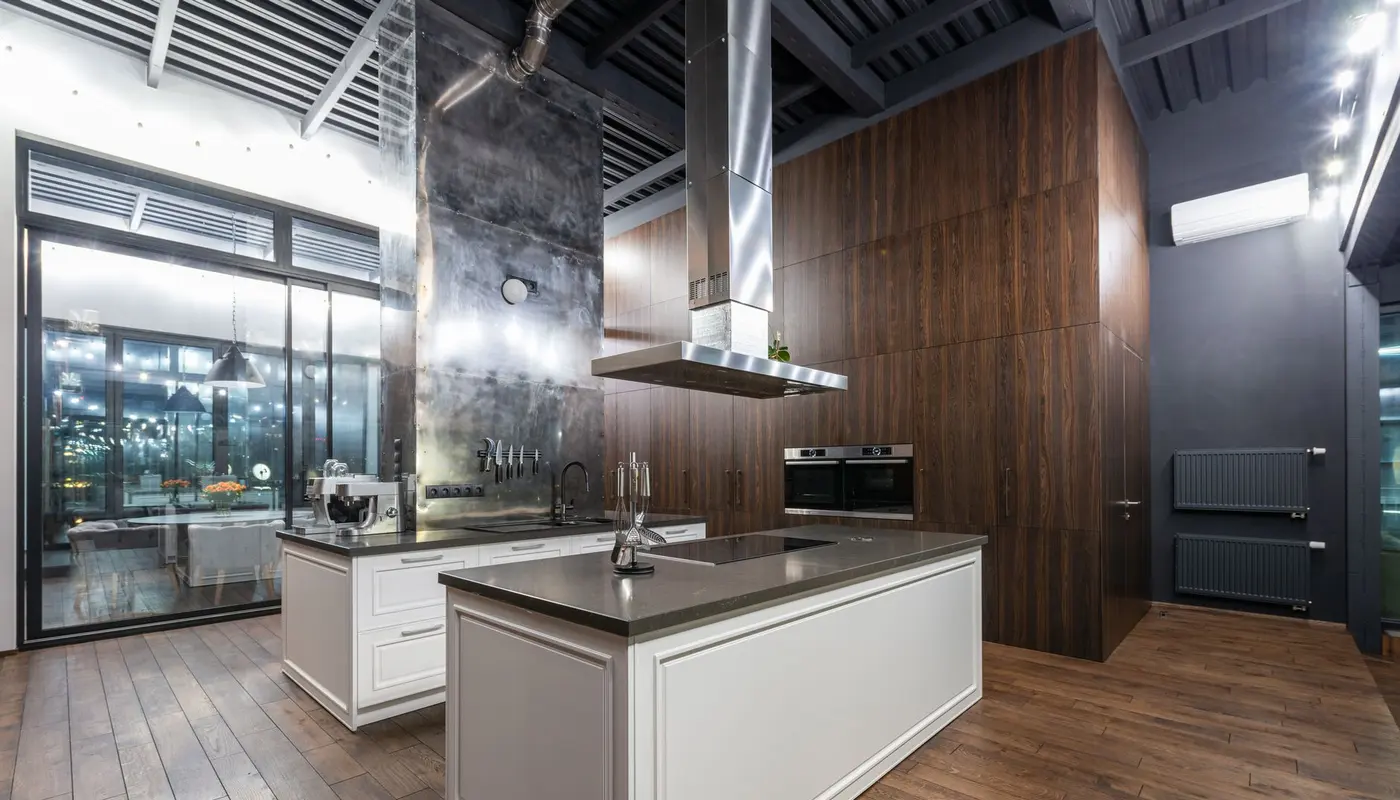
Energy is one of the largest controllable operating costs in commercial kitchens. Cooking equipment, refrigeration, dishwashers, and exhaust systems run for long hours. Choosing more efficient models and operating them correctly can reduce monthly electricity and gas bills significantly. This guide covers practical ways hotels and restaurants in India can lower energy consumption through equipment selection and usage.
Major Energy Consumers in Commercial Kitchens
- Cooking equipment (ranges, ovens, fryers)
- Refrigeration (refrigerators, freezers, cold rooms)
- Dishwashers
- Exhaust and make-up air systems
- Lighting and hot water
Refrigeration and cooking typically account for the largest share.
Equipment Choices That Improve Efficiency
Refrigeration
- Inverter or high-efficiency compressors
- Better insulation and door seals
- Glass doors only where necessary (solid doors are more efficient)
- Proper sizing — oversized units waste energy
Cooking Equipment
- Induction cookers for targeted heating (higher efficiency than open flame in some applications)
- Combi ovens that cook faster and with less energy than conventional methods
- Fryers with better temperature recovery and insulation
Dishwashers
- Models with heat recovery systems
- Properly sized machines that complete cycles efficiently
- Correct detergent and water temperature settings
Exhaust
- Demand-controlled ventilation where available
- Regular filter cleaning to maintain airflow efficiency
Indicative Savings Potential
Operators who upgrade older refrigeration or dishwashers often report 15–30% reductions in related energy consumption. Exact savings depend on current equipment age, usage hours, and local tariffs. In many Indian cities, commercial electricity rates make efficiency improvements financially attractive within 1–3 years.
Operational Practices That Reduce Energy Use
- Avoid unnecessary door openings on refrigerators and ovens
- Pre-heat equipment only when needed
- Maintain correct temperatures (over-cooling or over-heating wastes energy)
- Clean condenser coils and filters regularly
- Turn off equipment during closed hours where safe to do so
- Ensure proper make-up air so exhaust systems do not work harder than necessary
Common Mistakes
- Buying the cheapest equipment without checking energy consumption
- Running oversized refrigeration
- Neglecting maintenance (dirty coils and filters increase energy use)
- Leaving equipment on continuously without operational need
Conclusion
Energy-efficient commercial kitchen equipment and disciplined operating practices can meaningfully reduce monthly utility costs. Refrigeration, dishwashers, and cooking equipment offer the highest savings potential. Evaluating energy consumption alongside purchase price improves total cost of ownership.
Source Energy-Efficient Commercial Kitchen Equipment
Browse refrigeration, dishwashers, combi ovens, and other efficient models from verified suppliers on Hospiverse. Post one RFQ and receive competitive quotes — free for buyers, usually within 24–48 hours.
Photo by Max Vakhtbovych on Pexels.
Frequently Asked Questions
What should you know about indicative Savings Potential?
Operators who upgrade older refrigeration or dishwashers often report 15–30% reductions in related energy consumption. Exact savings depend on current equipment age, usage hours, and local tariffs. In many Indian cities, commercial electricity rates make efficiency improvements financially attractive within 1–3 years.
What should you know about source Energy-Efficient Commercial Kitchen Equipment?
Browse refrigeration, dishwashers, combi ovens, and other efficient models from verified suppliers on Hospiverse. Post one RFQ and receive competitive quotes — free for buyers, usually within 24–48 hours.