



In cloud kitchens, packaging is part of the product. Poor packaging is one of the top reasons for low ratings, refunds, and lost repeat customers on delivery platforms.
What Good Packaging Must Do
- Prevent leaks (especially gravies and sauces).
- Maintain temperature for a reasonable delivery window.
- Keep different items from mixing or becoming soggy.
- Look professional and support your brand.
- Be cost-effective at volume.
Practical Solutions
- Leak-proof containers with secure lids for wet dishes.
- Compartment or sectioned boxes for thalis and multi-item meals.
- Insulated or foil-lined options where heat retention is critical.
- Proper sealing and tamper-evident features.
- Right-sized containers—too large increases cost and movement; too small causes spills.
Cost vs Performance
Packaging typically represents a noticeable percentage of delivery order cost. Extremely cheap packaging often creates more expensive problems through complaints and refunds. Test packaging with actual delivery rides before scaling. Balance eco-friendly options with performance and price according to your brand positioning.
Common Issues and Fixes
- Soggy food → better separation and ventilation design.
- Cold food → improved insulation or faster dispatch processes.
- Leaks → higher-quality seals and correct container choice.
- High cost → negotiate volume pricing once you have proven the right specification.
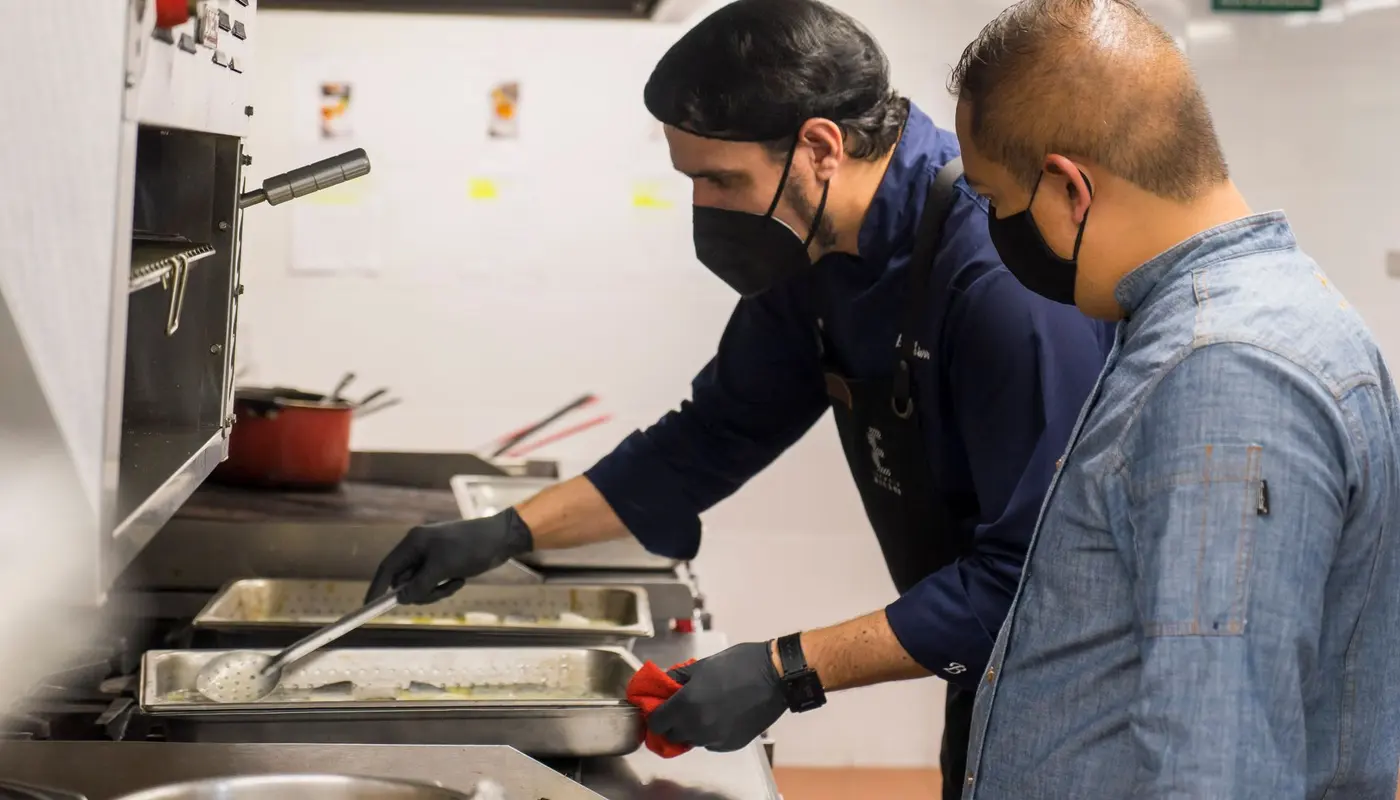
Photo by Luis Becerra Fotógrafo on Pexels.
Frequently Asked Questions
What is the single biggest packaging problem for Indian cloud kitchens?
Leaks from gravies combined with temperature loss.
How much should I budget for packaging?
It varies, but many delivery-focused operations treat it as a critical quality and rating driver rather than a pure cost to minimize.
Should I brand the packaging?
Yes, once volume justifies it. Professional presentation improves perceived value.