



Kitchen equipment is a long-term investment. Choices made today affect flexibility, operating costs, and upgrade options for years. This guide outlines practical ways to future-proof commercial kitchen equipment purchases.
1. Plan for Growth
- Leave physical space and utility capacity for additional equipment
- Choose modular options where possible
- Avoid layouts that make later additions extremely difficult
2. Prioritise Service & Parts Availability
Equipment with strong service networks and available spare parts remains usable longer. This is especially important for higher-value machines.
3. Consider Energy Efficiency
Energy costs are likely to remain significant. More efficient refrigeration, dishwashers, and cooking equipment reduce long-term operating expenses.
4. Flexibility Over Extreme Specialisation
Unless volume clearly justifies it, versatile equipment (e.g., combi ovens, multi-use preparation machines) often adapts better to menu changes than highly specialised single-purpose items.
5. Documentation & Standardisation
Keeping clear records of specifications, warranties, and suppliers makes future expansions, replacements, or multi-outlet rollouts easier.
6. Avoid Over-Customisation Early
Heavily customised equipment can be harder to modify, relocate, or resell. Standard commercial sizes offer more flexibility.
Technology Considerations
While full kitchen automation is still limited for most Indian operators, equipment with better controls, monitoring, or connectivity may offer advantages in larger or multi-site operations. Evaluate actual benefits versus cost.
Conclusion
Future-proofing commercial kitchen equipment purchases mainly involves planning for growth, choosing reliable and serviceable machines, prioritising efficiency, and maintaining flexibility. These practices reduce the likelihood of costly early replacements or major layout changes.
Make Informed Equipment Decisions
Get competitive quotes and discuss specifications with verified suppliers on Hospiverse. Free for buyers, usually within 24–48 hours.
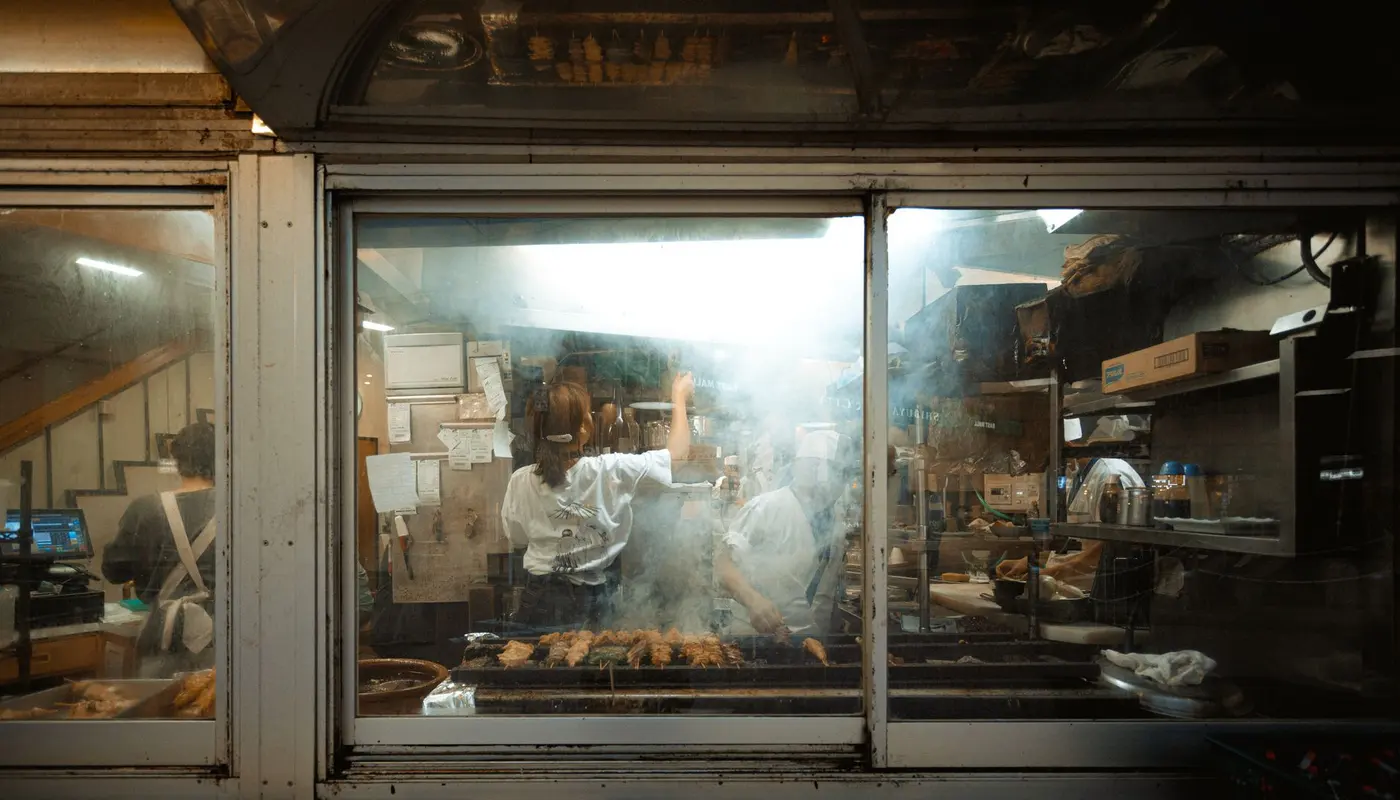
Photo by Aleksandar Pasaric on Pexels.
Frequently Asked Questions
What should you know about prioritise Service & Parts Availability?
Equipment with strong service networks and available spare parts remains usable longer. This is especially important for higher-value machines.
What should you know about consider Energy Efficiency?
Energy costs are likely to remain significant. More efficient refrigeration, dishwashers, and cooking equipment reduce long-term operating expenses.
What should you know about flexibility Over Extreme Specialisation?
, combi ovens, multi-use preparation machines) often adapts better to menu changes than highly specialised single-purpose items.
What should you know about documentation & Standardisation?
Keeping clear records of specifications, warranties, and suppliers makes future expansions, replacements, or multi-outlet rollouts easier.