



The choice between gas and electric commercial kitchen equipment affects operating costs, installation complexity, cooking performance, and compliance. Both have clear use cases in Indian hotels and restaurants. This guide compares the two across major equipment categories.
Cooking Equipment
Gas
- Lower running cost in most Indian cities
- Preferred for high-heat Indian cooking (curries, tandoor, wok)
- Faster heat-up in many traditional applications
- Requires proper gas line, ventilation, and safety compliance
Electric / Induction
- Cleaner operation and easier temperature control
- No open flame — preferred in some buildings and cloud kitchens
- Higher electricity cost in many locations
- Induction offers good efficiency for targeted heating
Many new kitchens use a hybrid approach.
Other Equipment
- Ovens: Both gas and electric combi and deck ovens are available. Electric often offers more precise control.
- Fryers: Gas models are common for cost; electric preferred where gas is restricted.
- Dishwashers & Refrigeration: Almost always electric.
Cost Comparison Factors
| Factor | Gas | Electric |
|---|---|---|
| Equipment cost | Often lower for ranges | Higher for equivalent induction/combi |
| Running cost | Generally lower | Higher (depends on tariff) |
| Installation | Gas line + ventilation | Electrical load planning |
| Compliance | Fire & gas safety | Electrical safety |
When Gas Is Usually Better
- Traditional high-volume Indian cooking
- Locations with reliable and economical gas supply
- Tandoor and wok-heavy menus
When Electric / Induction Is Better
- Buildings with gas restrictions
- Cloud kitchens prioritising cleanliness
- Need for precise temperature control
- Lower ventilation complexity in some cases
Practical Recommendation
Most full-service Indian restaurants still rely primarily on gas for the hot line while using electric for refrigeration, dishwashing, and some ovens. Cloud kitchens and certain hotel sections are adopting more induction and electric equipment.
Conclusion
Gas remains the cost-effective default for most traditional cooking in India, while electric and induction are growing where cleanliness, control, or building constraints matter. Evaluating local energy costs, menu requirements, and installation feasibility produces the best decision.
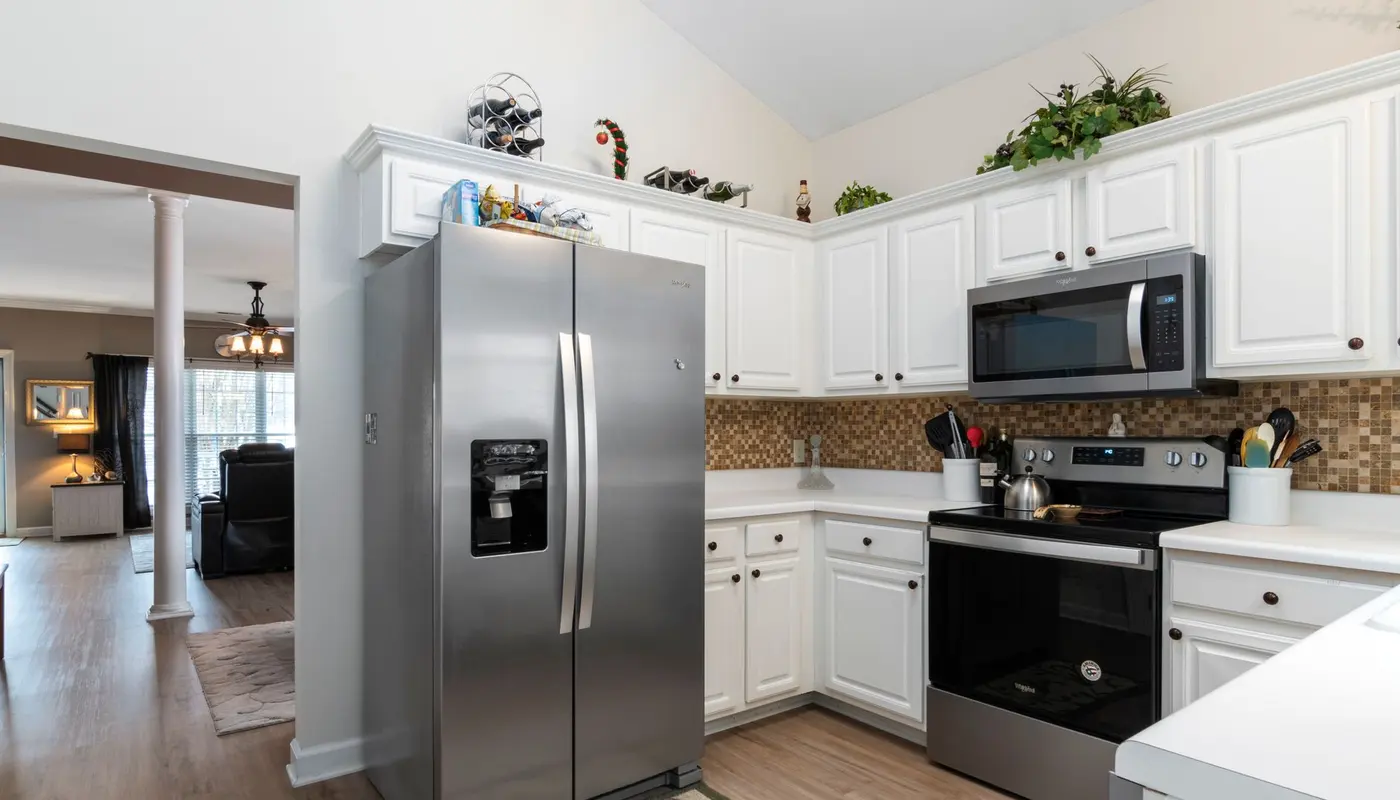
Photo by Curtis Adams on Pexels.
Frequently Asked Questions
What should you know about practical Recommendation?
Most full-service Indian restaurants still rely primarily on gas for the hot line while using electric for refrigeration, dishwashing, and some ovens. Cloud kitchens and certain hotel sections are adopting more induction and electric equipment.