



Gas vs Induction: Choosing the Right Range for an Indian Kitchen
A practical guide to selecting gas or induction ranges for Indian restaurants, covering cost, speed, and safety compliance.
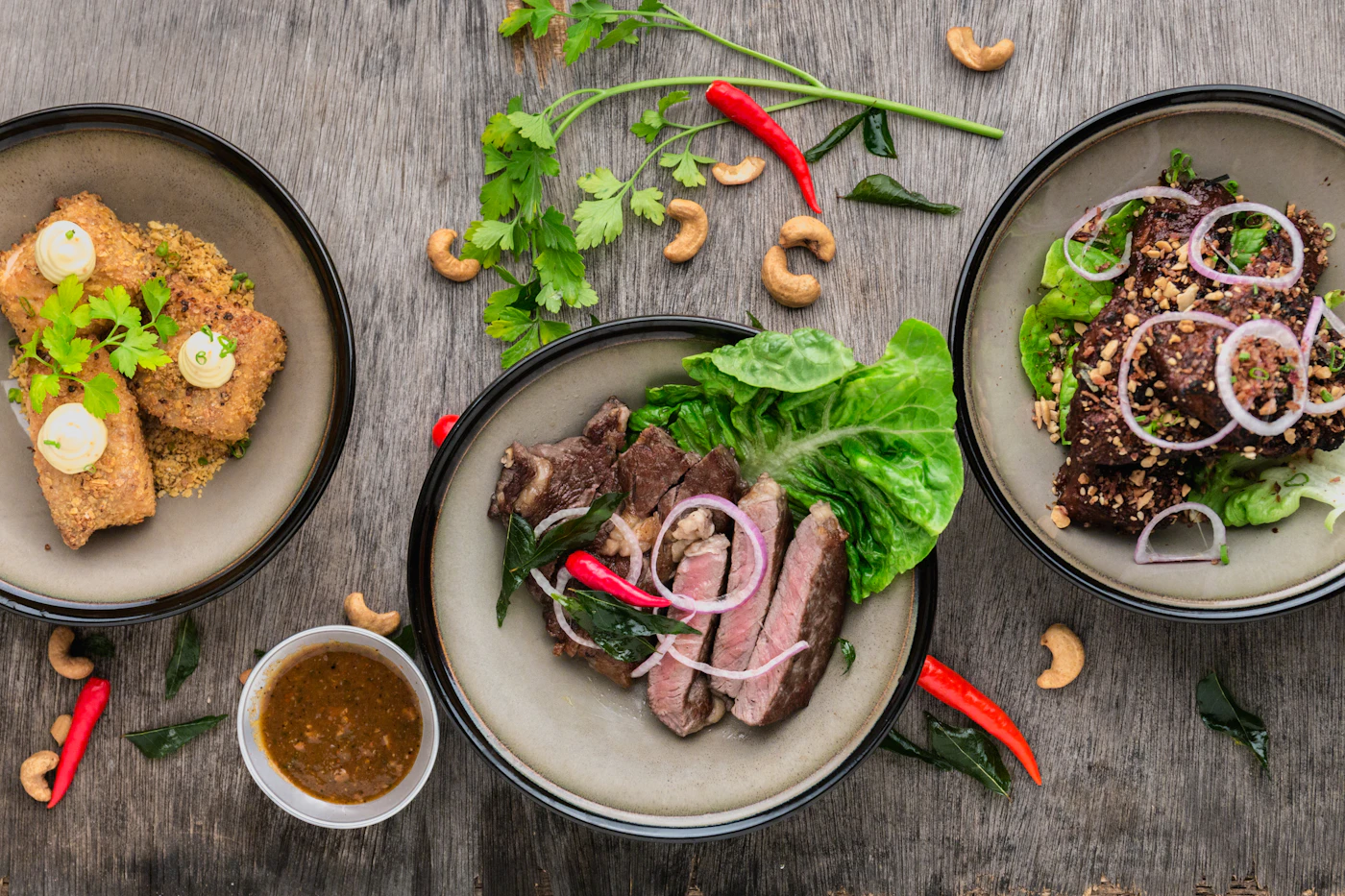
Choosing the Right Range for an Indian Kitchen
When opening a new restaurant or upgrading an existing kitchen, one of the first decisions that can impact daily operations and long‑term profitability is the type of cooking range to install. Indian cuisine demands quick, high‑temperature bursts, precise temperature control for tempering spices, and the ability to handle a wide variety of pans. Two main technologies dominate the market: traditional gas ranges and modern induction cooktops. Each offers distinct advantages and trade‑offs in terms of cost, speed, and safety compliance.
Cost & Operating Expenses
Initial purchase price is often the first consideration. A typical commercial gas range with multiple burners can range from ₹50,000 to ₹150,000, depending on the number of burners and brand. Induction ranges, especially those designed for high‑volume kitchens, usually start around ₹80,000 and can exceed ₹200,000 for larger units. However, this upfront cost is offset by operating expenses. Gas ranges consume LPG or CNG, which can be a significant recurring expense in cities where fuel prices fluctuate. Induction cooktops use electricity, and while the per‑kWh cost is generally lower than LPG, the higher energy efficiency of induction—often 90% versus 60% for gas—means lower electricity bills over time. A medium‑sized Indian restaurant that uses a range for about 8 hours daily can save roughly 15–20% on energy costs with induction, especially when combined with a well‑insulated kitchen layout.
Maintenance is another factor. Gas ranges require regular cleaning of burners, periodic replacement of valves, and occasional checks for gas leaks. Induction units have fewer moving parts, but they demand clean, flat cookware and may need occasional surface cleaning to prevent scratches. Typical maintenance costs for gas ranges hover around ₹5,000–₹10,000 annually, whereas induction units might require less frequent servicing, often under ₹3,000 per year.
Heat Control & Cooking Speed
Indian cooking techniques—such as tempering dals, sautéing onions, and searing meats—rely on rapid temperature changes. Gas burners can reach peak heat within 30–60 seconds, allowing chefs to quickly adjust flame levels. Induction, on the other hand, heats the cookware directly and can achieve similar temperatures in 20–30 seconds, often with more precise control once the correct pan is placed. The key difference lies in the type of cookware compatible with induction. Stainless steel or cast‑iron pans with magnetic bottoms work best; many restaurants still use non‑magnetic stainless or aluminum pans, which would require replacement or adapters.
The ability to maintain a steady, high temperature is critical for dishes like tandoori chicken or paneer tikka. Gas offers a visual flame, allowing chefs to gauge heat intuitively. Induction displays a digital readout or a temperature indicator on the surface, which can be advantageous for consistency but may require staff training to interpret. For kitchens that already use a lot of pressure cookers and deep fryers, a hybrid setup—combining a gas range for high‑heat tasks and induction for simmering or sauce preparation—can deliver the best of both worlds.
Safety and Regulatory Compliance
Safety is paramount in commercial kitchens. Gas ranges pose a risk of leaks, fires, and carbon monoxide build‑up if not properly vented. Modern codes in India, such as the FSSAI guidelines and local fire safety regulations, mandate specific ventilation requirements for gas installations—typically a dedicated exhaust fan, a minimum of 1.5 m of clearance around the range, and a fire extinguisher within reach. Induction ranges eliminate open flames, reducing fire risk and eliminating the need for gas supply lines, which can simplify compliance and reduce installation costs.
However, induction surfaces can become hot to the touch for minutes after use, posing a burn risk if not handled properly. Many newer models feature automatic shut‑off and child‑proof sensors, which can mitigate accidental burns. For restaurants serving families or operating in areas with strict safety audits, induction’s lower fire hazard can be a decisive advantage.
Installation and Space Considerations
Gas ranges require a dedicated gas line, often a natural gas or LPG connection that must be installed by a licensed plumber and verified by a gas inspector. This can add to the initial build‑out cost and time, especially in older buildings where retrofitting gas lines is difficult. Induction units plug directly into a 220‑V or 380‑V supply, and their slim profile can save valuable countertop space. However, high‑power induction ranges may need a dedicated circuit breaker and may require a commercial transformer, adding to the electrical infrastructure cost.
When space is limited—common in urban metro restaurants—induction’s compact design can be a significant benefit. Additionally, the lack of a chimney or exhaust hood for gas can reduce ceiling height requirements, making it easier to fit in tight spaces.
Final Decision Guidance
Choosing between gas and induction is rarely a binary decision. Many Indian restaurants adopt a mixed approach, using gas burners for high‑heat tasks that demand rapid temperature changes and induction for simmering, sautéing, or quick prep work. This hybrid strategy can balance cost, speed, and safety.
If your kitchen’s primary dishes require constant, high‑temperature searing—such as tandoori or hot‑oil fryings—gas may still be the more practical choice, especially if you already have a reliable gas supply and trained staff. If you prioritize energy efficiency, lower long‑term operating costs, and a safer cooking environment, induction is a compelling option, provided you invest in compatible cookware and staff training.
In either case, conduct a detailed cost‑benefit analysis that includes initial purchase, installation, maintenance, energy consumption, and potential safety penalties. Consult local FSSAI and fire safety guidelines, and consider a trial period or a pilot installation before fully committing.
Sources: Indian Institute of Hotel Management 2023 report on kitchen equipment, FSSAI safety guidelines 2024, Energy Efficiency Council of India survey 2022, National Association of Hospitality Manufacturers 2023 industry review.
Discover verified HORECA brands on Hospiverse India
5,700+ products. 75+ brands. Free for HORECA buyers — no commission, no platform fee.