



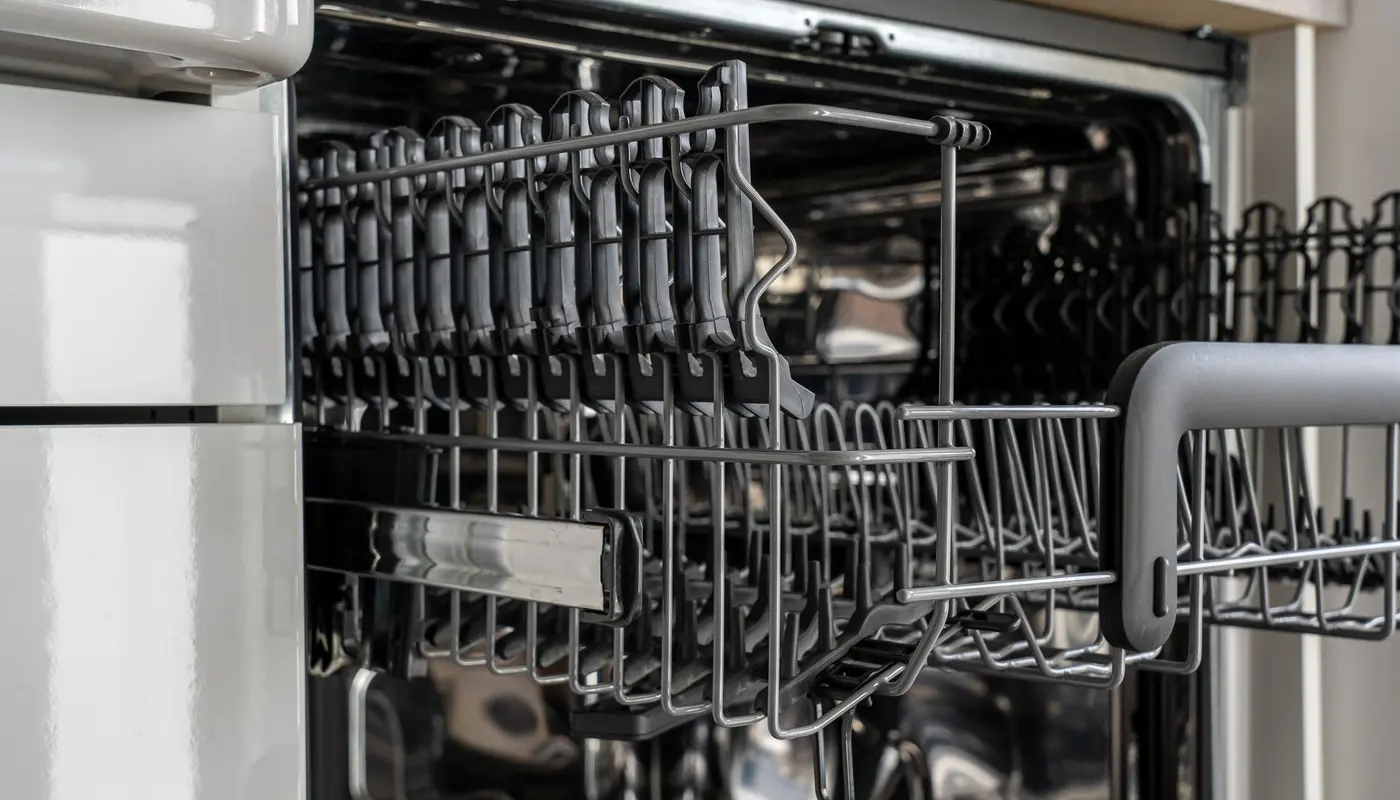
A dishwasher that cannot clear the peak load becomes a service bottleneck and hygiene risk.
Matching Process
Calculate peak-hour covers. Estimate racks required (plates, glasses, cutlery). Compare against the machine’s racks-per-hour rating, allowing for realistic loading/unloading time. Add buffer for glassware rushes or events. Undercounter, hood-type, and conveyor machines serve different volume bands—choose accordingly.
Additional Factors
Water temperature recovery, energy use, and staff workflow around the machine. A correctly sized unit keeps clean ware available and reduces end-of-service backlog. Re-evaluate if your volume grows significantly.
Photo by Castorly Stock on Pexels.
Frequently Asked Questions
What happens if the machine is too small?
Delays, staff frustration, and potential hygiene shortcuts under pressure.
Is the published racks-per-hour number exact?
It is a guide; real throughput depends on loading efficiency and menu.
When should I upgrade capacity?
When peak loads regularly exceed comfortable clearing ability.