



Buyers often face a choice between premium international brands and more affordable mid-range or domestic options. The right decision depends on volume, criticality of the equipment, and service requirements rather than brand preference alone.
Premium Equipment Characteristics
- Higher build quality and durability under continuous use
- Better temperature control and consistency
- Stronger service networks (especially for major brands)
- Higher purchase price
- Often preferred in hotels and high-volume operations
Examples include certain combi ovens, dishwashers, and refrigeration from established European or Japanese brands.
Mid-Range / Domestic Equipment Characteristics
- Significantly lower purchase price
- Adequate performance for many restaurant applications
- Variable service quality depending on supplier
- Suitable for lower to medium volume or less critical applications
When Premium Usually Makes Sense
- High daily utilisation
- Equipment downtime is very costly (hotels, central kitchens)
- Need for precise, consistent results
- Strong local service network available
- Long intended ownership period
When Mid-Range Is Often Sufficient
- Lower to medium volume restaurants
- Budget-constrained startups
- Simpler equipment categories (tables, basic ranges)
- Situations where the supplier offers reliable local support
Total Cost of Ownership View
A premium machine that lasts longer, consumes less energy, and has fewer breakdowns can cost less over 7–10 years than a cheaper unit that requires frequent repairs or early replacement. Conversely, paying a large premium for lightly used equipment may not be justified.
Practical Approach
Many operators use a mixed strategy:
- Premium or well-supported brands for dishwashers, combi ovens, and primary refrigeration
- Mid-range or fabricated items for tables, sinks, and basic cooking equipment
Conclusion
Premium commercial kitchen equipment is most justifiable for high-utilisation, high-criticality applications where service support is strong. Mid-range options work well for many restaurant needs when total cost and reliability are balanced. Evaluating expected usage and local service availability produces better decisions than defaulting to either extreme.
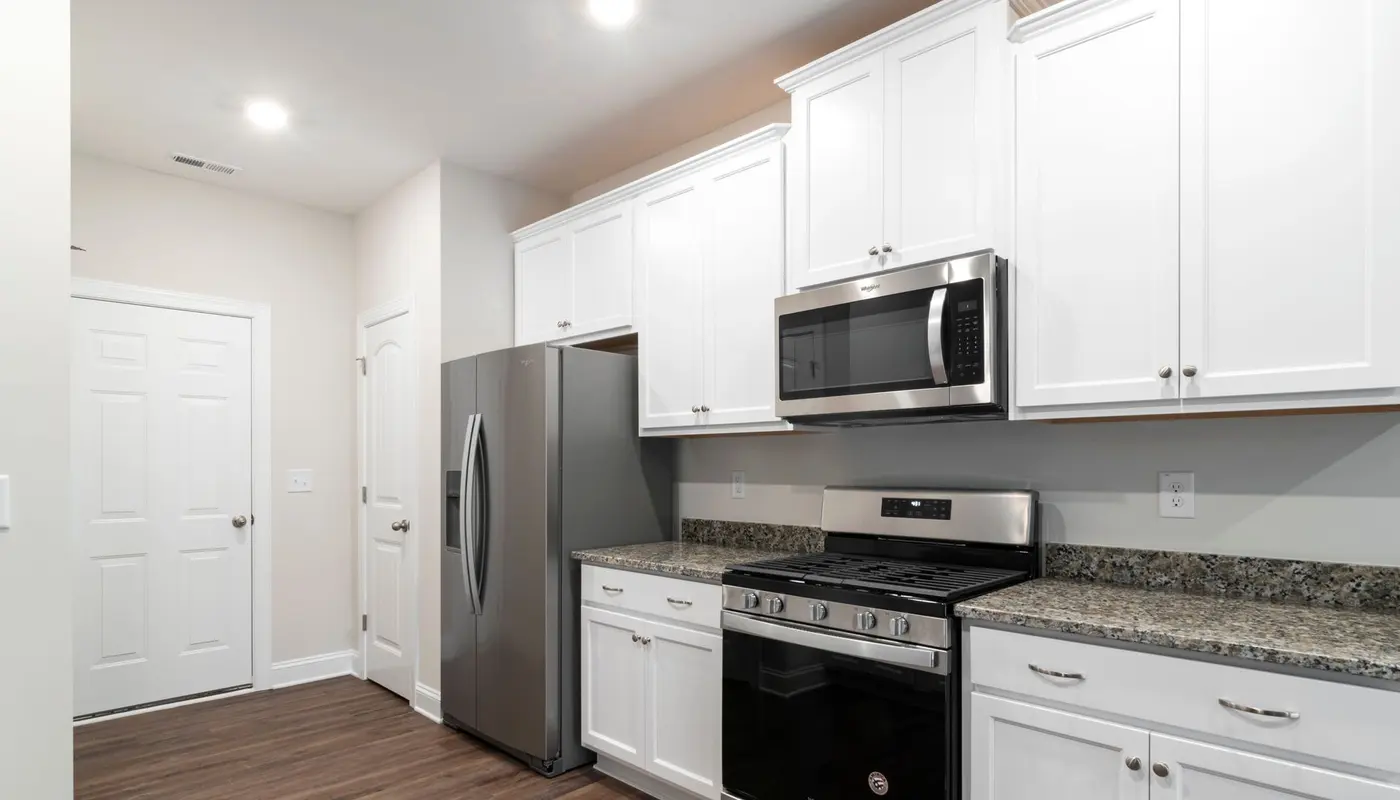
Photo by Curtis Adams on Pexels.
Frequently Asked Questions
What should you know about premium Equipment Characteristics?
Examples include certain combi ovens, dishwashers, and refrigeration from established European or Japanese brands.
What should you know about total Cost of Ownership View?
A premium machine that lasts longer, consumes less energy, and has fewer breakdowns can cost less over 7–10 years than a cheaper unit that requires frequent repairs or early replacement. Conversely, paying a large premium for lightly used equipment may not be justified.
What should you know about practical Approach?
Many operators use a mixed strategy: - Premium or well-supported brands for dishwashers, combi ovens, and primary refrigeration - Mid-range or fabricated items for tables, sinks, and basic cooking equipment