



Most successful restaurants and cloud kitchens do not buy all their final equipment on day one. They start with a core setup and add capacity as volume grows. This phased approach conserves capital and reduces the risk of over-investment. This guide outlines a practical scaling path.
Phase 1: Opening / Validation
Focus on essential equipment that supports the core menu:
- Basic cooking line
- Adequate refrigeration
- Work tables and sinks
- Exhaust
- Minimal specialised machines
Goal: Prove the concept and understand real demand.
Phase 2: Early Growth
Add capacity where bottlenecks appear:
- Additional refrigeration or larger units
- Second fryer or more burners
- Better preparation equipment (vegetable cutter, mixer)
- Improved holding if service suffers
Phase 3: Established Volume
Invest in efficiency and labour-saving equipment:
- Commercial dishwasher
- Combi oven
- Blast chiller (if advance prep increases)
- Additional or upgraded cold storage
- More automated preparation tools
Signs You Need to Scale Equipment
- Consistent inability to meet peak demand
- High labour overtime in specific stations
- Frequent equipment breakdowns due to overuse
- Rising wastage from inadequate storage
- Staff complaints about workflow congestion
Planning Tips
- Choose modular or expandable options where possible in Phase 1
- Leave physical space and utility capacity for future additions
- Track which stations are bottlenecks
- Obtain quotes for next-phase equipment before you urgently need it
Conclusion
Scaling kitchen equipment in phases aligns investment with proven demand. Most operators benefit from starting lean, identifying real bottlenecks, and adding higher-efficiency equipment only when volume justifies it. This approach improves cash flow and reduces the risk of unused capacity.
Plan Your Next Equipment Addition
Browse commercial kitchen equipment and get quotes for both current and future needs on Hospiverse. Post an RFQ whenever you are ready to expand — free for buyers, usually within 24–48 hours.
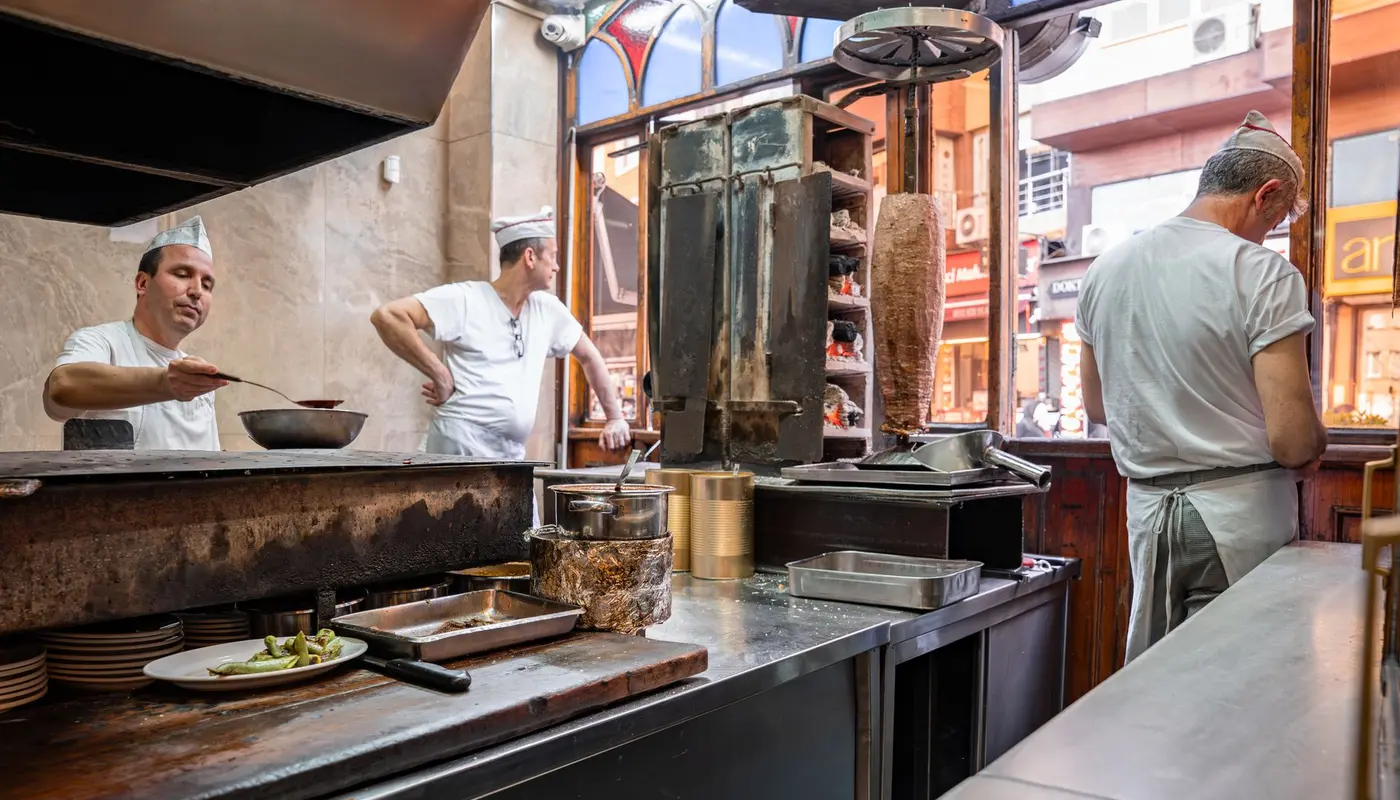
Photo by Yasin Onuş on Pexels.
Frequently Asked Questions
What should you know about phase 1: Opening / Validation?
Focus on essential equipment that supports the core menu: - Basic cooking line - Adequate refrigeration - Work tables and sinks - Exhaust - Minimal specialised machines
What should you know about phase 2: Early Growth?
Add capacity where bottlenecks appear: - Additional refrigeration or larger units - Second fryer or more burners - Better preparation equipment (vegetable cutter, mixer) - Improved holding if service suffers
What should you know about phase 3: Established Volume?
Invest in efficiency and labour-saving equipment: - Commercial dishwasher - Combi oven - Blast chiller (if advance prep increases) - Additional or upgraded cold storage - More automated preparation tools
What should you know about plan Your Next Equipment Addition?
Browse commercial kitchen equipment and get quotes for both current and future needs on Hospiverse. Post an RFQ whenever you are ready to expand — free for buyers, usually within 24–48 hours.