



Material grade directly affects lifespan, hygiene, and long-term cost of stainless-steel items in a kitchen.
SS304
Higher chromium and nickel content gives superior corrosion resistance. It performs better in wet areas, around acidic foods, and with frequent cleaning chemicals. Preferred for sinks, work tables in wet zones, food-contact surfaces, and high-use equipment. Higher initial cost but lower replacement frequency.
SS202
More affordable and adequate for many dry-storage or lower-moisture applications. It is less resistant to corrosion over time, especially in constantly wet or chemically aggressive environments. Can develop pitting or rust sooner under heavy commercial conditions.
Practical Recommendation
Use SS304 for sinks, wet-zone work tables, and critical food-contact items. SS202 can be acceptable for dry racks or budget-constrained non-critical pieces if expectations are managed. Always ask for material certification or clear grade confirmation rather than relying only on verbal claims. In the long run, the durability difference often justifies the price gap on high-use items.
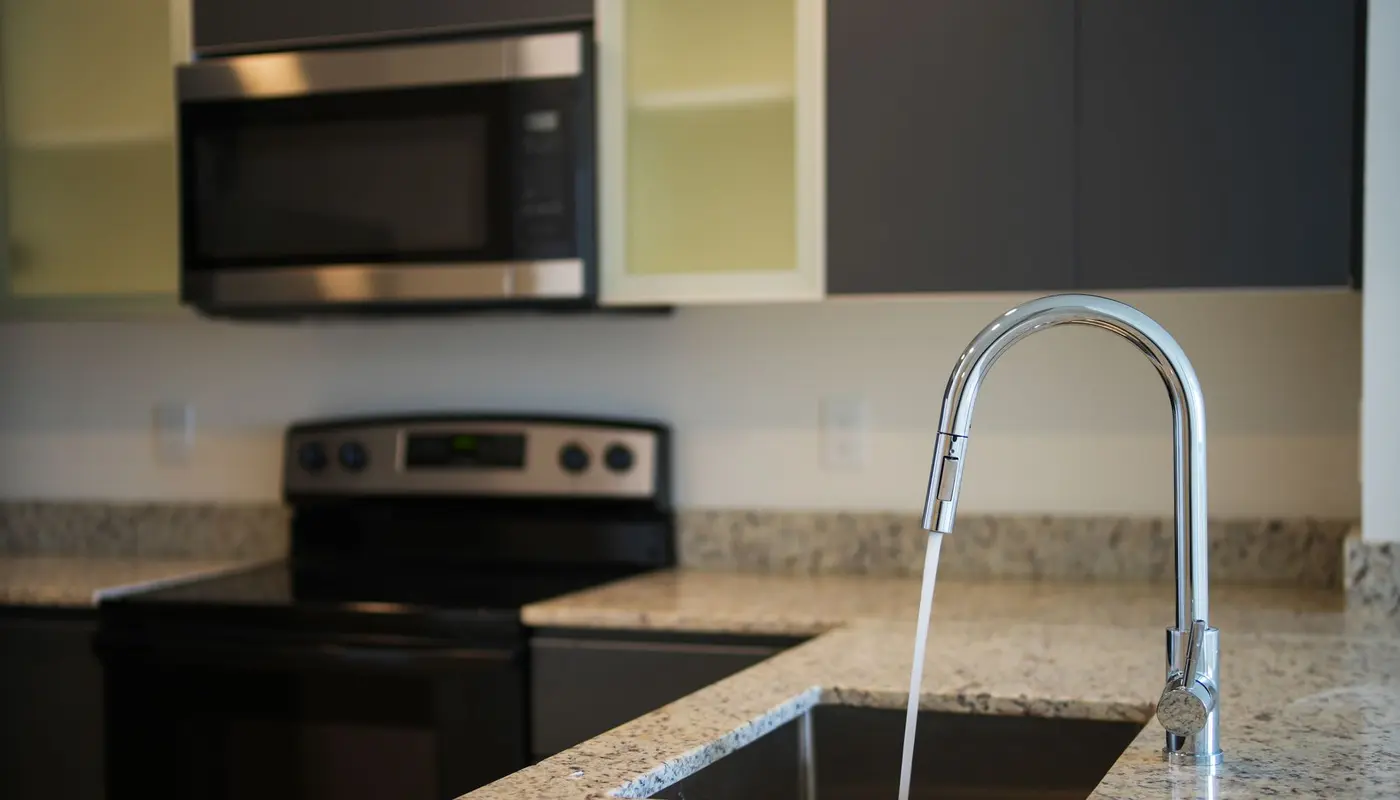
Photo by Nilzo Farías on Pexels.
Frequently Asked Questions
Is the extra cost of SS304 worth it?
Yes for sinks, wet prep tables, and surfaces that stay damp or face harsh cleaning.
How can I verify the grade?
Request material test certificates or clear written specification from the supplier.
Will SS202 fail quickly?
Not always, but it is more likely to show corrosion issues sooner in demanding wet commercial use.