



Stainless steel is the standard material for commercial kitchen equipment because it is durable, hygienic, and corrosion-resistant. Not all stainless steel is the same. Understanding the common grades helps buyers specify the right material and avoid premature failure.
Common Grades Used in Commercial Kitchens
SS 304
The most widely recommended grade for food contact surfaces. Good corrosion resistance, especially important in kitchens with frequent cleaning and exposure to food acids and salts. Preferred for work table tops, sinks, and equipment that contacts food directly.
SS 202
Lower cost alternative. Adequate for many non-food-contact applications such as frames, under-shelves, and some exterior panels. Less resistant to corrosion than 304 in harsh conditions. Commonly used by fabricators to control cost.
SS 316
Higher corrosion resistance due to molybdenum content. Used in more demanding environments (marine, high-chloride, or certain food processing). Less common and more expensive in standard restaurant and hotel kitchens.
Practical Recommendations
| Application | Recommended Grade |
|---|---|
| Work table tops | SS 304 |
| Sink bowls | SS 304 |
| Equipment frames / legs | SS 202 or 304 |
| Under-shelves | SS 202 acceptable |
| High-corrosion areas | SS 304 or 316 |
Why Grade Matters
- Lower grades can develop rust or pitting over time, especially with aggressive cleaning chemicals or coastal humidity
- Food contact surfaces should prioritise hygiene and cleanability
- Premature corrosion increases replacement cost and hygiene risk
Buying Tips
- Specify SS 304 for food contact surfaces in writing
- Ask suppliers to confirm grade (some provide material certificates)
- Balance cost and performance — 202 is acceptable for structural elements
- Inspect fabrication quality in addition to grade
- Consider local environment (coastal areas benefit more from higher grades)
Common Issues
- Suppliers using 202 where 304 was expected
- Thin material regardless of grade
- Poor welding or finishing that creates corrosion points
Conclusion
For most commercial kitchens in India, SS 304 on food contact surfaces combined with SS 202 on non-critical structural parts offers a practical balance of performance and cost. Specifying grades clearly and verifying with suppliers reduces the risk of premature corrosion and hygiene issues.
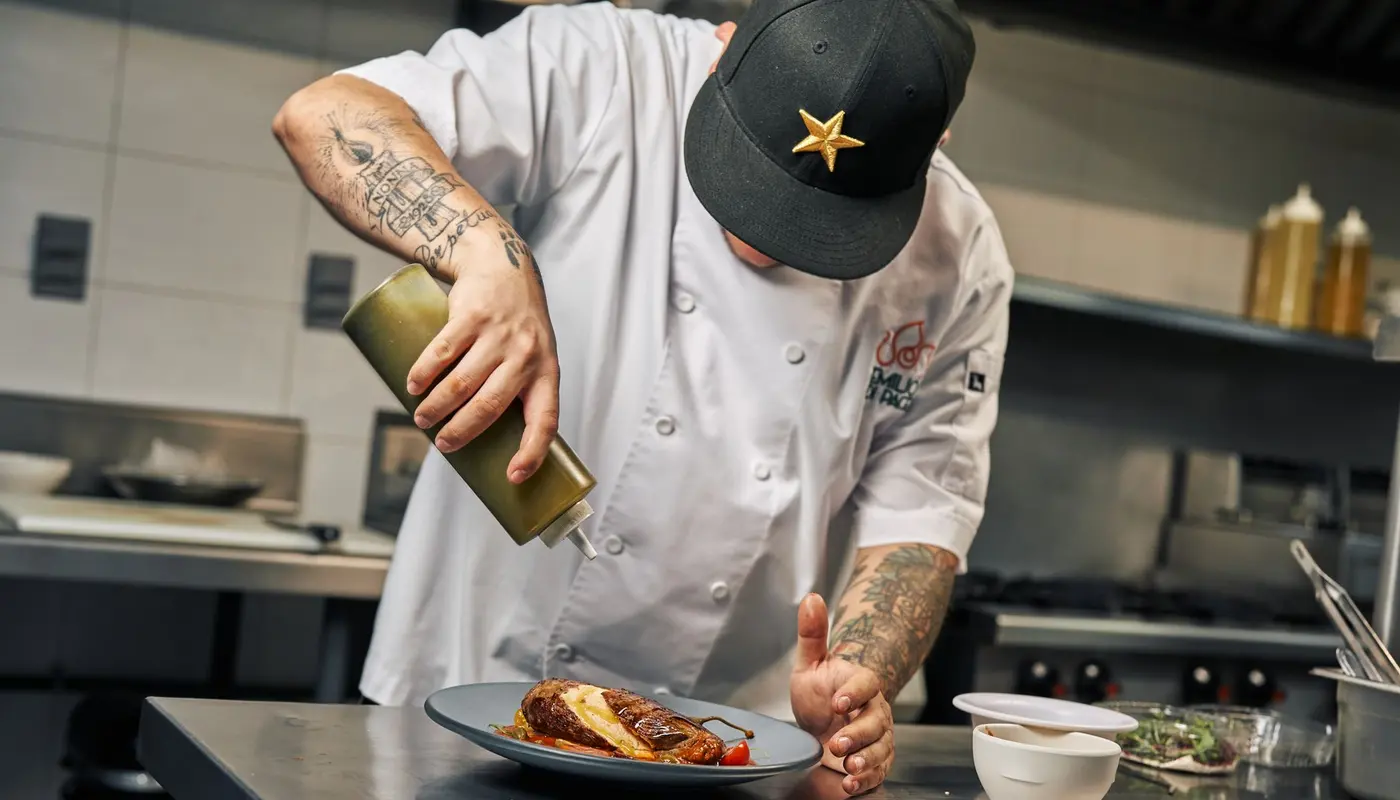
Photo by Willians Huerta on Pexels.
Frequently Asked Questions
What should you know about sS 304?
The most widely recommended grade for food contact surfaces. Good corrosion resistance, especially important in kitchens with frequent cleaning and exposure to food acids and salts. Preferred for work table tops, sinks, and equipment that contacts food directly.
What should you know about sS 202?
Lower cost alternative. Adequate for many non-food-contact applications such as frames, under-shelves, and some exterior panels. Less resistant to corrosion than 304 in harsh conditions. Commonly used by fabricators to control cost.
What should you know about sS 316?
Higher corrosion resistance due to molybdenum content. Used in more demanding environments (marine, high-chloride, or certain food processing). Less common and more expensive in standard restaurant and hotel kitchens.