



Blast chillers rapidly cool cooked food to safe storage temperatures, reducing bacterial growth risk and improving food quality. They are increasingly used in hotels, central kitchens, and higher-volume restaurants that prepare food in advance. This guide covers the benefits, types, and practical considerations for Indian operations.
What a Blast Chiller Does
Standard refrigeration cools food slowly. Blast chillers use high-velocity cold air to bring food from cooking temperature to below 5°C (or lower for freezing) in a short time — typically 90 minutes or less for chilling. This moves food through the temperature danger zone quickly.
Benefits
- Improved food safety
- Better texture and quality retention
- Ability to prepare larger batches in advance
- Reduced wastage
- Support for cook-chill systems
Types and Capacity
Blast chillers are available in undercounter and freestanding models. Capacity is often measured in trays (GN pans) or kilograms per cycle.
- Small operations: 3–5 tray models
- Medium hotels or restaurants: 5–10 tray
- Larger central kitchens: Higher capacity units
Indicative Prices (2026)
| Capacity | Approximate Price |
|---|---|
| Small (3–5 tray) | ₹1.5 – 3 lakh |
| Medium (5–10 tray) | ₹2.5 – 5 lakh |
| Larger capacity | ₹4 lakh+ |
Prices vary by brand, features (chill only vs blast freeze), and capacity. Premium European brands cost more but are common in hotels.
Key Specifications
- Chilling time and capacity per cycle
- Temperature range (chill vs freeze capability)
- Tray capacity and GN compatibility
- Ease of cleaning
- Energy consumption
- Service support
When Blast Chillers Are Most Useful
- Hotels with banquet preparation
- Central kitchens serving multiple outlets
- Operations using cook-chill or advance preparation
- Higher-volume restaurants wanting to improve consistency
Common Mistakes
- Under-sizing capacity relative to batch sizes
- Not training staff on proper loading and use
- Ignoring the need for proper downstream cold storage
- Choosing the cheapest model without checking performance specifications
Conclusion
Blast chillers improve food safety and operational flexibility in hotels and higher-volume kitchens. Most mid-size hotels benefit from a 5–10 tray unit. Evaluating cycle time, capacity, and service support ensures the equipment delivers the expected operational benefits.
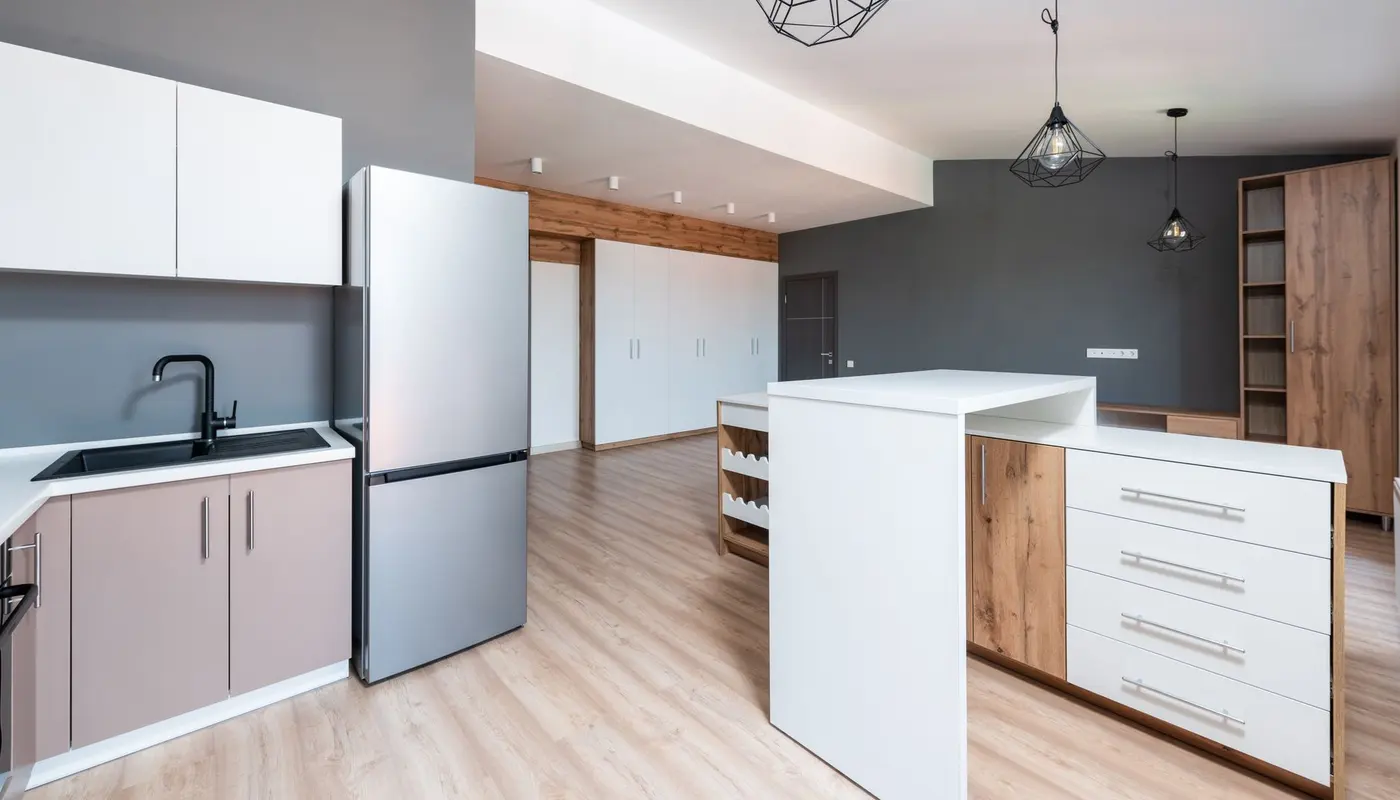
Photo by Max Vakhtbovych on Pexels.
Frequently Asked Questions
What a Blast Chiller Does?
Standard refrigeration cools food slowly. Blast chillers use high-velocity cold air to bring food from cooking temperature to below 5°C (or lower for freezing) in a short time — typically 90 minutes or less for chilling. This moves food through the temperature danger zone quickly.
What should you know about types and Capacity?
Blast chillers are available in undercounter and freestanding models. Capacity is often measured in trays (GN pans) or kilograms per cycle.
What should you know about indicative Prices (2026)?
Prices vary by brand, features (chill only vs blast freeze), and capacity. Premium European brands cost more but are common in hotels.