



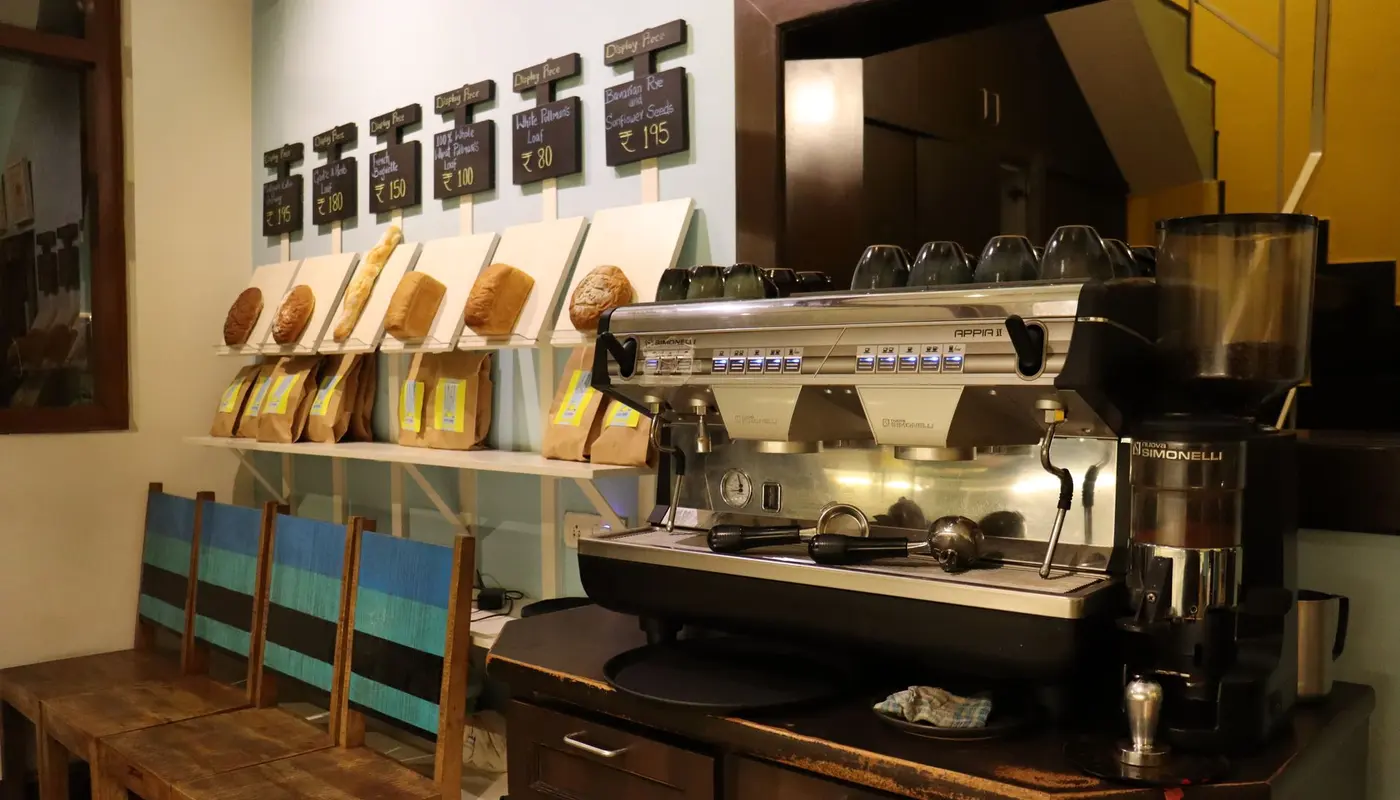
Coffee equipment is a high-visibility investment for cafés, hotel lobbies, and restaurants. The right machine affects beverage quality, speed of service, and daily throughput. This guide covers the main types of commercial coffee equipment used in India and practical selection criteria.
Main Types of Commercial Coffee Equipment
1. Espresso Machines
Semi-automatic and fully automatic espresso machines are the standard for specialty coffee. Capacity is measured in group heads (1–3 group machines are common). Higher-end machines offer better temperature stability and consistency.
2. Filter / Batch Brewers
Used for bulk coffee service in hotels, banquets, and high-volume cafés. Faster for large quantities than espresso machines.
3. Bean-to-Cup Machines
Fully automatic machines that grind and brew. Popular in offices, hotel rooms, and self-service areas. Lower labour requirement but higher per-cup cost in some cases.
4. Supporting Equipment
Grinders, milk frothers, water filters, and refrigerators for milk.
Capacity and Selection Factors
- Low volume café: 1-group espresso machine + quality grinder
- Medium café or restaurant: 2-group machine
- High-volume or hotel: 2–3 group or multiple machines + batch brewer
Water quality is critical. Hard water damages machines and affects taste. Most commercial setups require proper filtration.
Indicative Price Ranges (2026)
| Type | Approximate Price |
|---|---|
| Entry-level commercial espresso (1-group) | ₹80,000 – ₹2 lakh |
| Mid-range 2-group machine | ₹2 – 5 lakh |
| High-end commercial espresso | ₹5 – 12 lakh+ |
| Commercial batch brewer | ₹40,000 – ₹1.5 lakh |
| Bean-to-cup machine | ₹1.5 – 6 lakh |
Prices vary significantly by brand, features, and whether installation and training are included.
Key Considerations
- Daily cup volume and peak-hour demand
- Water quality and filtration requirements
- Service network and spare parts availability
- Ease of cleaning and maintenance
- Training for baristas
- Energy and water consumption
Common Mistakes
- Buying a machine that is too small for peak demand
- Ignoring water filtration
- Underestimating service and maintenance costs
- Choosing purely on aesthetics without checking performance and support
Conclusion
Commercial coffee equipment should be matched to expected daily volume and peak demand. Water quality management and reliable service support are as important as the machine itself. Most cafés and hotels benefit from properly specified espresso machines paired with good grinders and filtration.
Photo by Aaryan Jain on Pexels.
Frequently Asked Questions
What should you know about espresso Machines?
Semi-automatic and fully automatic espresso machines are the standard for specialty coffee. Capacity is measured in group heads (1–3 group machines are common). Higher-end machines offer better temperature stability and consistency.
What should you know about filter / Batch Brewers?
Used for bulk coffee service in hotels, banquets, and high-volume cafés. Faster for large quantities than espresso machines.
What should you know about bean-to-Cup Machines?
Fully automatic machines that grind and brew. Popular in offices, hotel rooms, and self-service areas. Lower labour requirement but higher per-cup cost in some cases.
What should you know about capacity and Selection Factors?
Water quality is critical. Hard water damages machines and affects taste. Most commercial setups require proper filtration.