
Commercial Coffee Bar Setup in India — Equipment, Brands, and What Cafés Actually Need
The Bandra café that spent ₹18 lakh on equipment before serving its first cup now has a 3-day waitlist for bar seats on weekday mornings. A guide to getting the coffee bar equipment decision right in India.
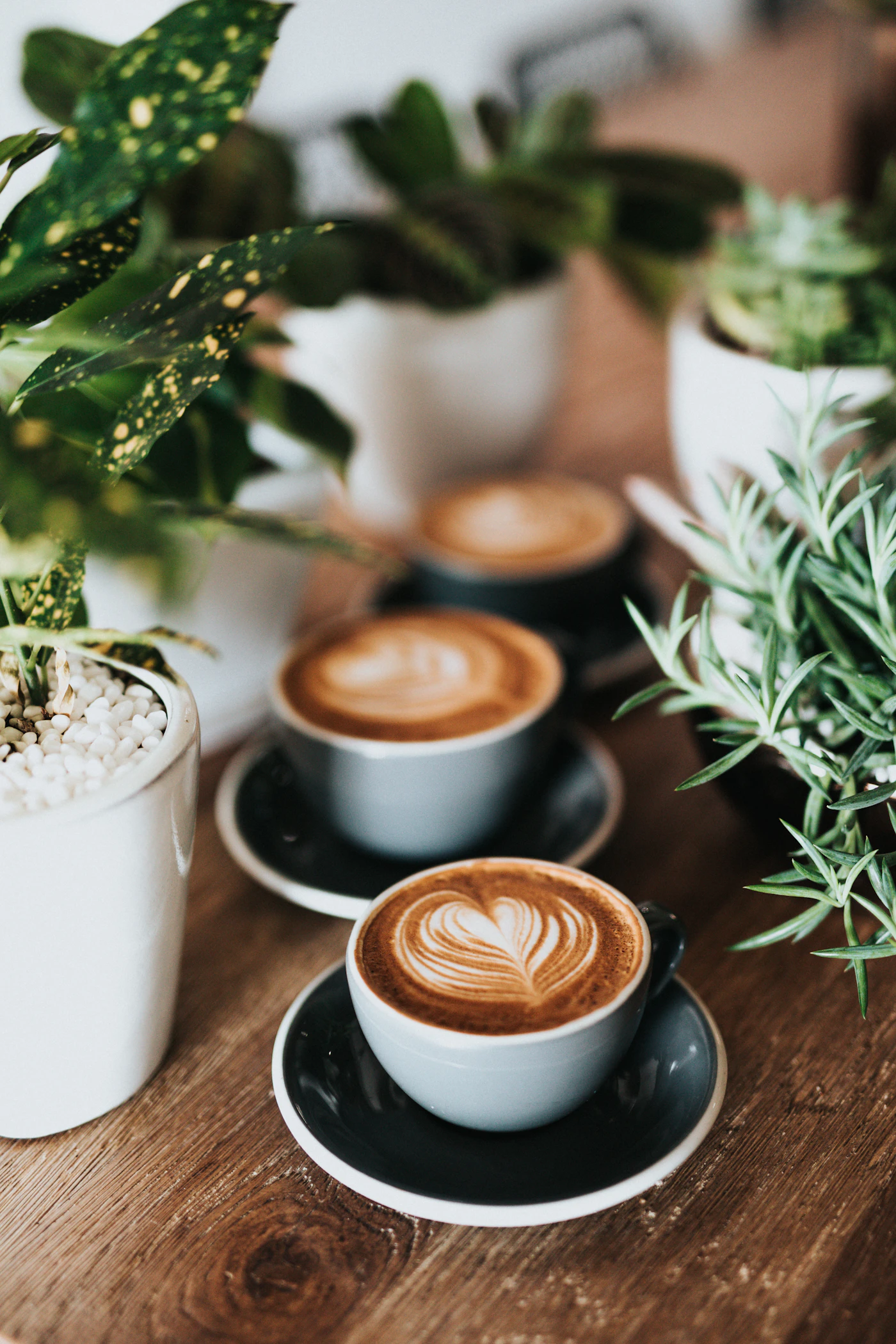
The first cup of coffee Rishabh Sinha served from his café in Bandra Kurla Complex cost him ₹18 lakh in equipment to make. He is not apologetic about this. He spent ₹8 lakh on a La Marzocco Linea PB two-group espresso machine, ₹2.2 lakh on a Mahlkönig EK43 grinder, ₹1.5 lakh on a Modbar underbar system, and the rest on ancillary equipment that his coffee consultancy told him was non-negotiable. Two years later, he has a waitlist for bar seats on weekday mornings and three corporate accounts that represent 40 percent of his monthly revenue.
This story is not a prescription. It is a data point. The Indian specialty coffee market has grown from a niche interest in a handful of cities to a mainstream premium category in 15 Indian cities, with a customer base that distinguishes between a flat white made on a well-maintained commercial machine and one made on a domestic espresso maker dressed up with commercial labels. Getting the equipment right is not sufficient to build a successful café. It is, however, necessary to serve the customer this market expects.
The Core Equipment Stack for a Commercial Coffee Bar
Every commercial coffee bar requires five equipment categories. Espresso machine: the centrepiece. Commercial machines use La Marzocco, Nuova Simonelli, Slayer, WMF, and San Remo as reference brands at the specialty tier; BFC, Expobar, and selected Rancilio models occupy the price-appropriate tier for hotel and restaurant applications where coffee is one offering among many. A two-group machine handles up to 200 espresso drinks per day; a three-group machine handles 400+. Grinders: the single most important equipment decision for coffee quality, and the most frequently skimped on. A poor grinder compromises a great machine; a great grinder elevates a modest one. For specialty cafés: Mahlkönig (EK43 for filter, E65S or Peak for espresso), Anfim, or Mythos Clima Pro. For hotel and restaurant bars: Mazzer or Baratza at appropriate dosing for volume. Water filtration: commercial filtration specific to espresso — scale buildup on espresso group heads is the primary cause of premature machine failure in Indian hard-water conditions. Always specify a dedicated filtration system matched to the machine manufacturer's recommendations. Milk system: commercial frother or a dedicated steam-intensive machine for high-volume milk drinks. Cold beverage equipment: commercial blenders and cold brew systems for the 40–50 percent of Indian café orders that are cold or iced drinks.
Indian Specialty Coffee: The Supply Chain Opportunity
India produces exceptional coffee — Coorg, Chikmagalur, Araku Valley, and Nilgiris estates produce micro-lot and specialty-grade arabica and robusta that command international prices. Blue Tokai, Third Wave Coffee, and Subko are among the Indian roasters now supplying cafés, hotels, and restaurants across India with Indian-grown specialty coffee at prices significantly below equivalent European origins. A café that sources from Indian specialty roasters and communicates that provenance story has a genuine differentiator — with real supply chain advantages in freshness and cost.
Bar Design: What Specialty Coffee Actually Needs
The ergonomics of a specialty coffee bar are precise. Counter height: 92–96cm for standing barista operation, with equipment positioned to minimise reach distance. The workflow triangle — grinder to portafilter to machine to milk — should be executable without the barista turning more than 90 degrees. Drainage: espresso machines produce 2–4 litres of rinse water per hour; proper drain troughs and plumbing are not optional. Power: a two-group commercial espresso machine draws 3–5 kW; in older buildings, the electrical supply must be verified before equipment purchase.
Pricing: What a Commercial Coffee Bar Setup Costs in India
Entry-level commercial setup (hotel or restaurant café bar): 2-group entry commercial espresso machine, commercial grinder, basic filtration. Total: ₹3.5–6 lakh. Mid-tier specialty café: 2-group La Marzocca or Nuova Simonelli machine, Mahlkönig grinder, water system. Total: ₹9–15 lakh. Premium specialty café (destination concept): 3-group La Marzocco GS3 or similar, Mahlkönig Peak grinders, Modbar underbar system, full water treatment. Total: ₹18–35 lakh.
Sourcing Coffee Bar Equipment and Supplies in India
For commercial espresso machines, La Marzocco (through Indian importers), Nuova Simonelli, Victoria Arduino, and Rancilio all have India distribution; Blue Star Coffee Equipment and specialty dealers in Mumbai, Delhi, and Bengaluru are the primary access points. For grinders, Mahlkönig, Mazzer, and Eureka are available through the same specialty channels. For hotel-scale bulk coffee programme setups — sourcing machines, grinders, water filtration (BWT, Pentair), and specialty roasters (Blue Tokai, Subko, Third Wave Coffee) simultaneously — posting a structured RFQ on Hospiverse India's F&B category connects you with verified coffee equipment and ingredient suppliers. IndiaMart and JustDial serve as supplementary discovery channels for general commercial coffee equipment at lower price points and for local equipment service technicians.
Sources: SCA India Chapter: Specialty coffee market report 2025. Blue Tokai Coffee Roasters: Trade programme documentation. La Marzocco India distributor: Dealer pricing and installation data. Mahlkönig India: Grinder specification and maintenance data. Café operator interviews, Mumbai, Delhi, and Bengaluru, Q4 2025.
Frequently Asked Questions
What espresso machine should I buy for an Indian café?
For a specialty café: La Marzocco Linea (₹6–9L) or Nuova Simonelli Aurelia Wave (₹5–8L) are the reference specifications. For a hotel or restaurant coffee bar where coffee is one of many offerings: BFC, Expobar, or Rancilio Classe 9 (₹2–4L) represent appropriate price-to-performance. Always pair with a dedicated commercial grinder — grinder quality matters as much as machine quality.
How much does a commercial coffee bar setup cost in India?
Entry-level commercial setup (2-group machine + commercial grinder + filtration): ₹3.5–6L. Mid-tier specialty café (La Marzocca or Nuova Simonelli + Mahlkönig grinder + water system): ₹9–15L. Premium specialty café destination (La Marzocco GS3 + Mahlkönig Peak + Modbar underbar system): ₹18–35L.
Why is water filtration essential for an espresso machine in India?
Indian municipal water TDS averages 200–600 ppm — significantly above the optimal 100–150 ppm for espresso. High TDS builds scale on boilers and group heads, causing premature machine failure within 12 months without treatment. A dedicated filtration system matched to the machine manufacturer's specifications is non-optional for any commercial espresso machine operating in India.
Discover verified HORECA brands on Hospiverse India
4,500+ products. 100+ verified brands. Free for HORECA buyers — no commission, no platform fee.