



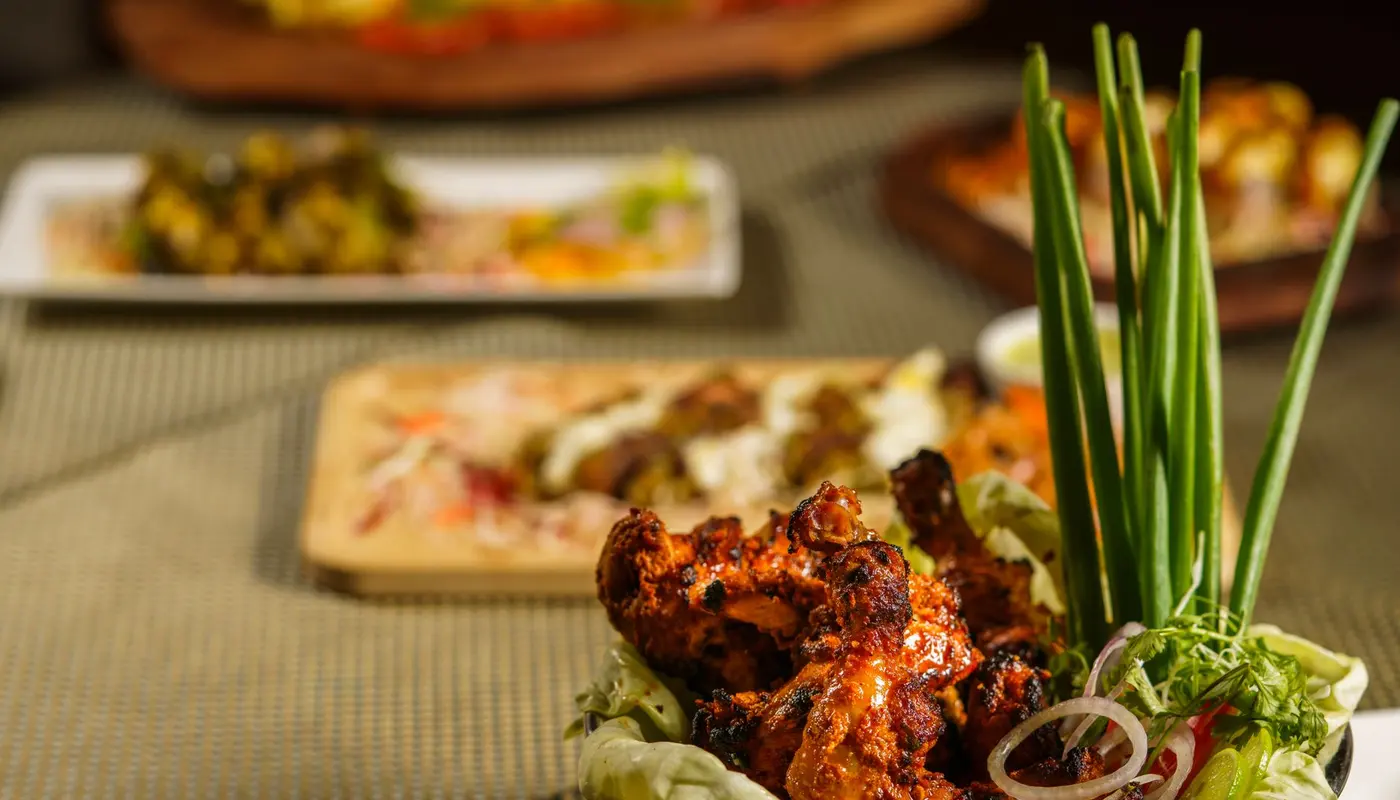
The tandoor is essential for authentic Indian menus covering naan, roti, tandoori chicken, kebabs, and many other items. Choosing the right commercial tandoor affects cooking consistency, fuel cost, installation complexity, and daily throughput. This guide covers the main types available in India, capacity considerations, and realistic 2026 pricing.
Types of Commercial Tandoors
1. Clay Tandoors
Traditional clay-lined tandoors. Preferred by many chefs for flavour and heat retention. Require more careful handling and periodic maintenance. Usually gas-fired in commercial settings.
2. Stainless Steel / Metal Tandoors
More durable and easier to maintain than pure clay. Available in various sizes. Some models combine metal construction with clay or ceramic liners for better heat characteristics.
3. Gas vs Charcoal
Most commercial operations use gas tandoors for convenience, consistency, and lower operating cost. Charcoal tandoors are still used in some specialised outlets for specific flavour profiles but are less practical for high-volume commercial use.
Capacity and Size Selection
Tandoors are commonly available in diameters ranging from approximately 24 inches to 36 inches or larger.
- Smaller diameters suit limited menus or lower volume
- 30-inch models are a common choice for most restaurants
- Larger sizes are used in hotels and high-volume operations
Throughput depends on size, gas pressure, and operator skill. A well-sized tandoor can handle significant naan and kebab volumes during peak hours.
Indicative Prices (2026)
| Type | Approximate Price |
|---|---|
| Small commercial gas tandoor | ₹35,000 – ₹70,000 |
| Standard 30-inch gas tandoor | ₹55,000 – ₹1.2 lakh |
| Larger / heavy-duty models | ₹1 – 2 lakh+ |
| Custom or premium finishes | Higher |
Prices vary with construction quality, liner type, gas burner specifications, and whether installation is included.
Installation Considerations
- Proper gas line and pressure
- Adequate ventilation and exhaust
- Heat-resistant flooring and clearances
- Drainage if required
- Local fire safety compliance
Poor installation is a common source of performance issues. Most suppliers offer installation support, which is recommended for commercial use.
Key Points to Check
- Construction quality and liner durability
- Gas burner design and heat distribution
- Ease of cleaning and maintenance
- Size relative to expected volume
- Supplier installation and service support
- Safety features
Common Mistakes
- Choosing a tandoor that is too small for peak demand
- Ignoring ventilation and gas line requirements
- Buying the cheapest model without checking construction quality
- Underestimating maintenance needs of clay liners
Conclusion
A properly specified commercial gas tandoor is a core piece of equipment for most Indian restaurants and hotels. The 30-inch size works well for the majority of operations, while higher-volume kitchens benefit from larger units. Prioritising construction quality, gas efficiency, and proper installation delivers better long-term performance than the lowest initial price.
Photo by Kunal Lakhotia on Pexels.
Frequently Asked Questions
What should you know about clay Tandoors?
Traditional clay-lined tandoors. Preferred by many chefs for flavour and heat retention. Require more careful handling and periodic maintenance. Usually gas-fired in commercial settings.
What should you know about stainless Steel / Metal Tandoors?
More durable and easier to maintain than pure clay. Available in various sizes. Some models combine metal construction with clay or ceramic liners for better heat characteristics.
What should you know about gas vs Charcoal?
Most commercial operations use gas tandoors for convenience, consistency, and lower operating cost. Charcoal tandoors are still used in some specialised outlets for specific flavour profiles but are less practical for high-volume commercial use.
What should you know about capacity and Size Selection?
Tandoors are commonly available in diameters ranging from approximately 24 inches to 36 inches or larger.