



Warewashing is a continuous cost center in hotels. Modern energy-efficient dishwashers reduce water, electricity, chemicals, and labor while improving hygiene consistency.
Typical Savings Areas
- Water consumption reductions of 15–25% or more versus older machines.
- Lower electricity use through better insulation, heat recovery, and optimized cycles.
- Reduced chemical usage with precise dosing.
- Faster or more reliable throughput that can lower labor hours or overtime.
- Fewer breakdowns and lower maintenance when paired with proper water treatment.
Estimating Payback
Compare current monthly water, energy, and chemical costs against projected consumption of the new machine. Add estimated labor or downtime savings. Many hotels see payback periods between 12 and 36 months depending on volume, local utility rates, and the age of the existing equipment. Higher-volume properties usually recover the investment faster.
Implementation Tips
Size the new machine correctly for peak banquet and restaurant loads. Install appropriate water treatment. Train staff on correct operation to realize the efficiency gains. Track consumption for the first few months to validate savings.
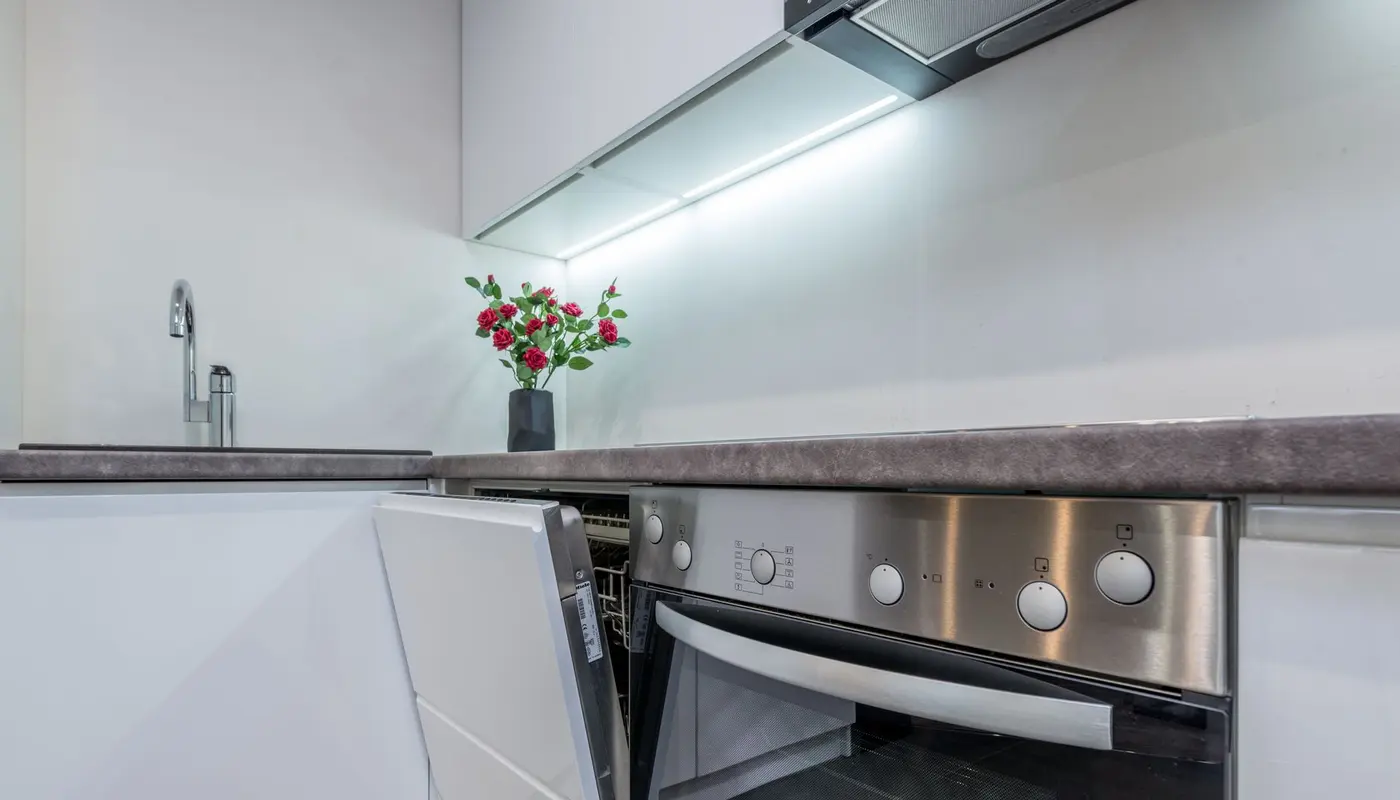
Photo by Max Vakhtbovych on Pexels.
Frequently Asked Questions
Do smaller hotels also see ROI?
Yes, though payback may be longer than in high-volume properties. Efficiency and reliability benefits still apply.
What is required to achieve the advertised savings?
Correct installation, water treatment, and consistent proper operation.
Should I replace a working older machine?
If repair costs are rising or consumption is high, a efficiency-focused upgrade often makes financial sense.