



Refrigeration protects both food safety and your bottom line. Spoilage from inadequate or inefficient cooling is one of the most common hidden costs in Indian kitchens.
Common Types and When to Use Them
- Reach-in vertical refrigerators: Best for daily-access ingredients in most restaurants. 400–600 L is a frequent starting point for medium outlets.
- Undercounter refrigerators: Excellent for space-constrained kitchens and cloud kitchens. Place them directly under prep or cooking lines.
- Chest or upright freezers: For bulk frozen storage. Cloud kitchens and high-volume operations often need more freezer capacity.
- Walk-in coolers: Justified for larger hotels, central kitchens, or high-volume operations.
Sizing and Selection Tips
Estimate your daily ingredient volume and how frequently you restock. Leave room for air circulation—overloading kills performance. Commercial units are designed for frequent door openings; domestic refrigerators are not. Look for good insulation, reliable compressors, and energy-efficient models. Digital temperature display and alarms are useful.
Energy consumption matters because refrigeration runs 24/7. Efficient models and proper maintenance (clean condensers, correct temperature settings, door seals) reduce electricity bills significantly.
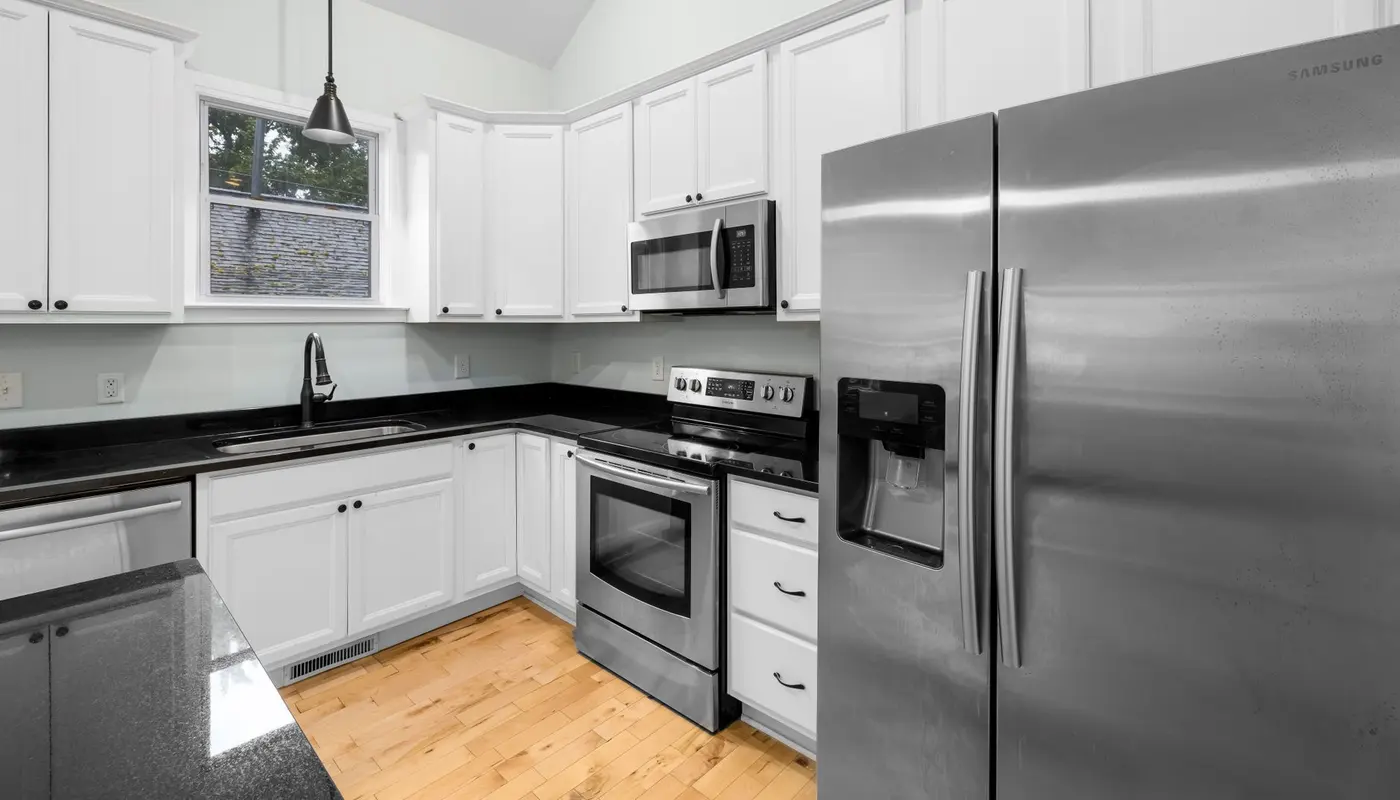
Photo by Curtis Adams on Pexels.
Frequently Asked Questions
How much refrigeration capacity does a medium restaurant need?
Often one 400–600 L reach-in plus some undercounter or freezer space, but it depends heavily on menu and volume.
Vertical or undercounter?
Vertical for maximum capacity; undercounter when floor space is limited or you want ingredients at the point of use.
What is the biggest mistake?
Buying undersized or domestic-grade units that cannot maintain temperature under commercial use.