



Undersized refrigeration is one of the most common and costly mistakes in commercial kitchens. It leads to higher wastage, food safety risks, and operational stress. Oversized equipment wastes capital and energy. This guide provides practical methods to size refrigeration for restaurants, hotels, and cloud kitchens in India.
Factors That Determine Capacity Needs
- Menu type — Fresh-heavy menus need more chiller space; frozen-heavy menus need more freezer space
- Delivery frequency — Less frequent deliveries require more storage
- Peak vs average volume — Size for weekend or banquet peaks
- Number of outlets or brands (for cloud kitchens and hotels)
- Advance preparation practices
Practical Sizing Approaches
Reach-in Refrigerators & Freezers
- Small café / cloud kitchen: 1 vertical refrigerator (400–600 L) + 1 deep freezer
- Medium restaurant: 1–2 vertical refrigerators + dedicated freezer
- Higher volume: Multiple units or combination with undercounter units at stations
Walk-in Cold Rooms
- Consider when daily inventory exceeds what multiple reach-ins can handle efficiently
- Hotels and central kitchens commonly use walk-ins
- Separate chiller and freezer rooms perform better than combined spaces
Rule of Thumb
Many planners use approximately 0.5–1 cubic foot of refrigerated storage per cover served daily as a starting point, then adjust for menu and delivery frequency. Always add buffer for peak periods.
Temperature Zones
- Chiller: +2°C to +8°C (vegetables, dairy, prepared items)
- Freezer: –18°C to –22°C (proteins, frozen goods)
- Most operations need both
Common Sizing Mistakes
- Sizing only for average daily use
- Not separating chiller and freezer needs
- Ignoring door-opening frequency in busy kitchens
- Forgetting space for GN pans and proper airflow inside units
Energy and Operating Impact
Properly sized refrigeration runs more efficiently. Oversized units cool unused air; undersized units run continuously and struggle to maintain temperature.
Conclusion
Size commercial refrigeration for peak inventory rather than average use, and maintain separate chiller and freezer capacity. Most restaurants are well served by a combination of vertical reach-ins, while hotels and higher-volume operations benefit from walk-in rooms. Verifying capacity against actual menu and delivery patterns reduces both wastage and energy costs.
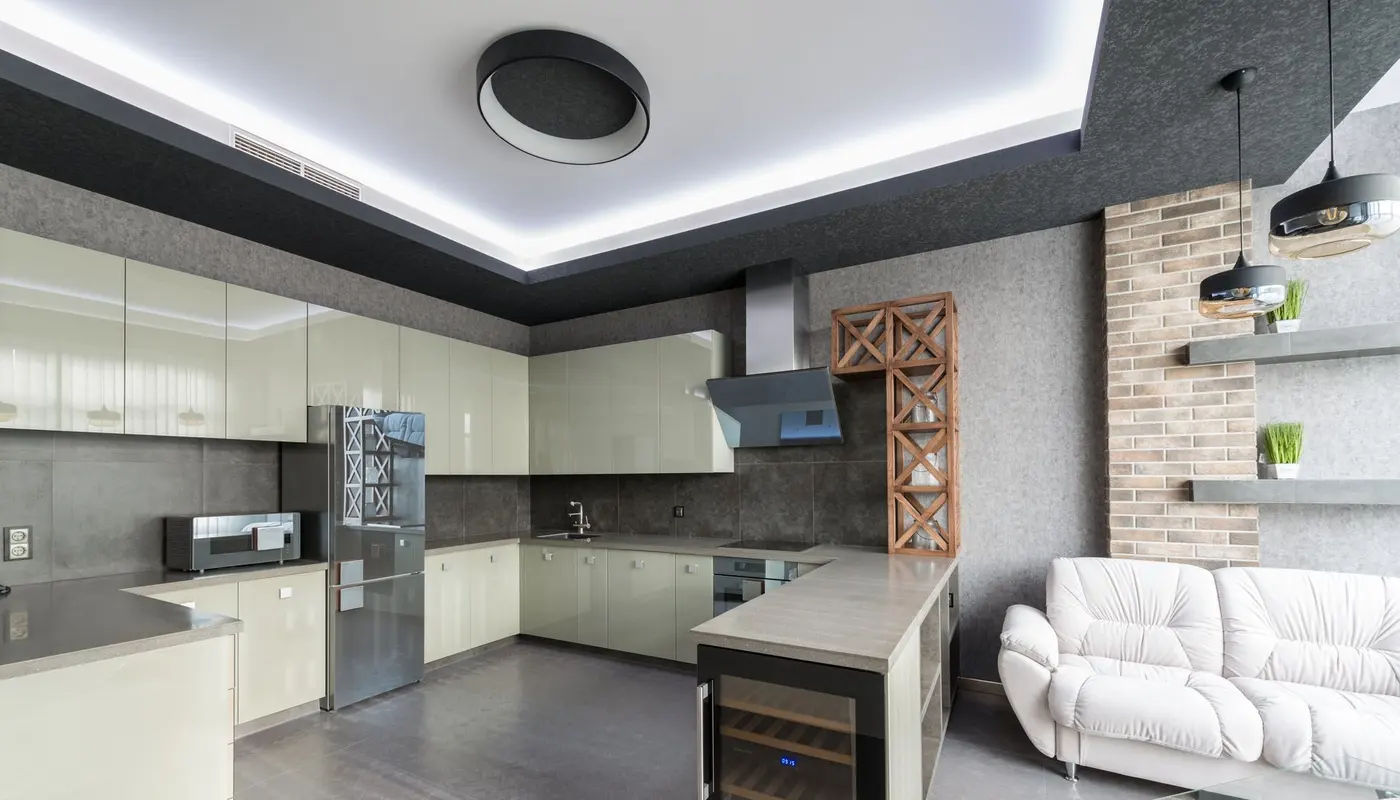
Photo by Max Vakhtbovych on Pexels.
Frequently Asked Questions
What should you know about rule of Thumb?
5–1 cubic foot of refrigerated storage per cover served daily as a starting point, then adjust for menu and delivery frequency. Always add buffer for peak periods.
What should you know about energy and Operating Impact?
Properly sized refrigeration runs more efficiently. Oversized units cool unused air; undersized units run continuously and struggle to maintain temperature.