



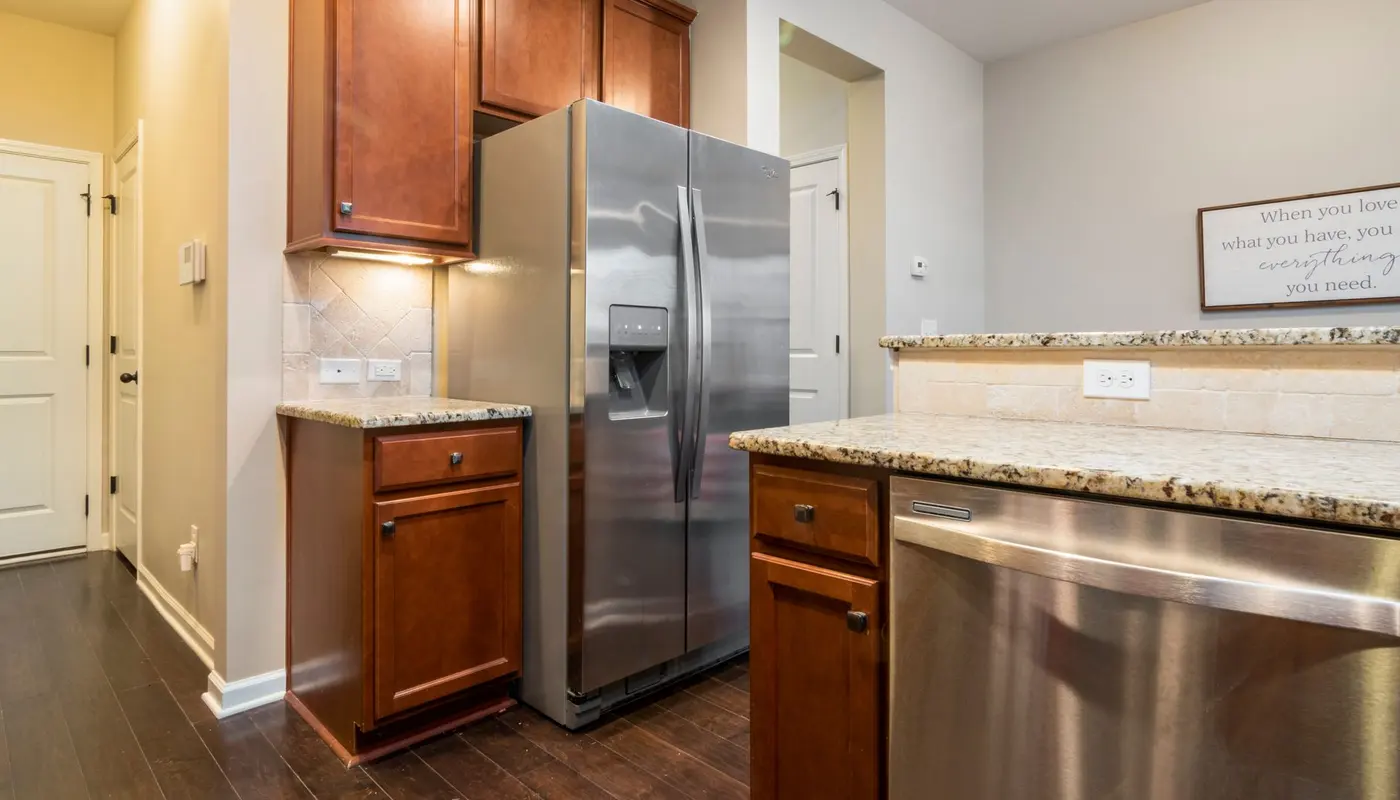
Undersized refrigeration causes spoilage and constant restocking stress. Oversized units waste space, energy, and capital. Getting the size right is one of the highest-leverage decisions in kitchen planning.
Sizing Approach
Estimate the volume of ingredients you need to hold between deliveries. Consider your menu (fresh vs frozen-heavy), number of covers, and how often you receive supplies. Medium restaurants commonly start with a 400–600 L reach-in refrigerator plus supplementary freezer or undercounter space. Cloud kitchens often need proportionally more freezer capacity.
Configuration Choices
- Vertical reach-in for maximum storage in a given floor area.
- Undercounter for point-of-use access and space saving.
- Combination of both for workflow efficiency.
- Walk-in only when volume clearly justifies the investment and space.
Always leave adequate air circulation inside the unit. Commercial refrigerators are built for frequent door openings; confirm the model is truly commercial-grade. Check energy consumption because the unit runs continuously.
Photo by Curtis Adams on Pexels.
Frequently Asked Questions
Is 400–600 L enough for most restaurants?
It is a common and practical range for many medium outlets, but verify against your specific menu and supply frequency.
Should cloud kitchens prioritize freezers?
Often yes, especially if they do batch prep or run multiple brands.
What happens if I choose the wrong size?
Undersizing leads to spoilage and operational stress; oversizing increases electricity bills and reduces usable kitchen space.