
How Indian Hotels and Restaurants Are Building Wine Programmes That Actually Work
The sommelier who started using an iPad increased second-bottle orders by 40% without adding a single new label. What India's F&B directors now know about building a wine programme for an Indian audience.
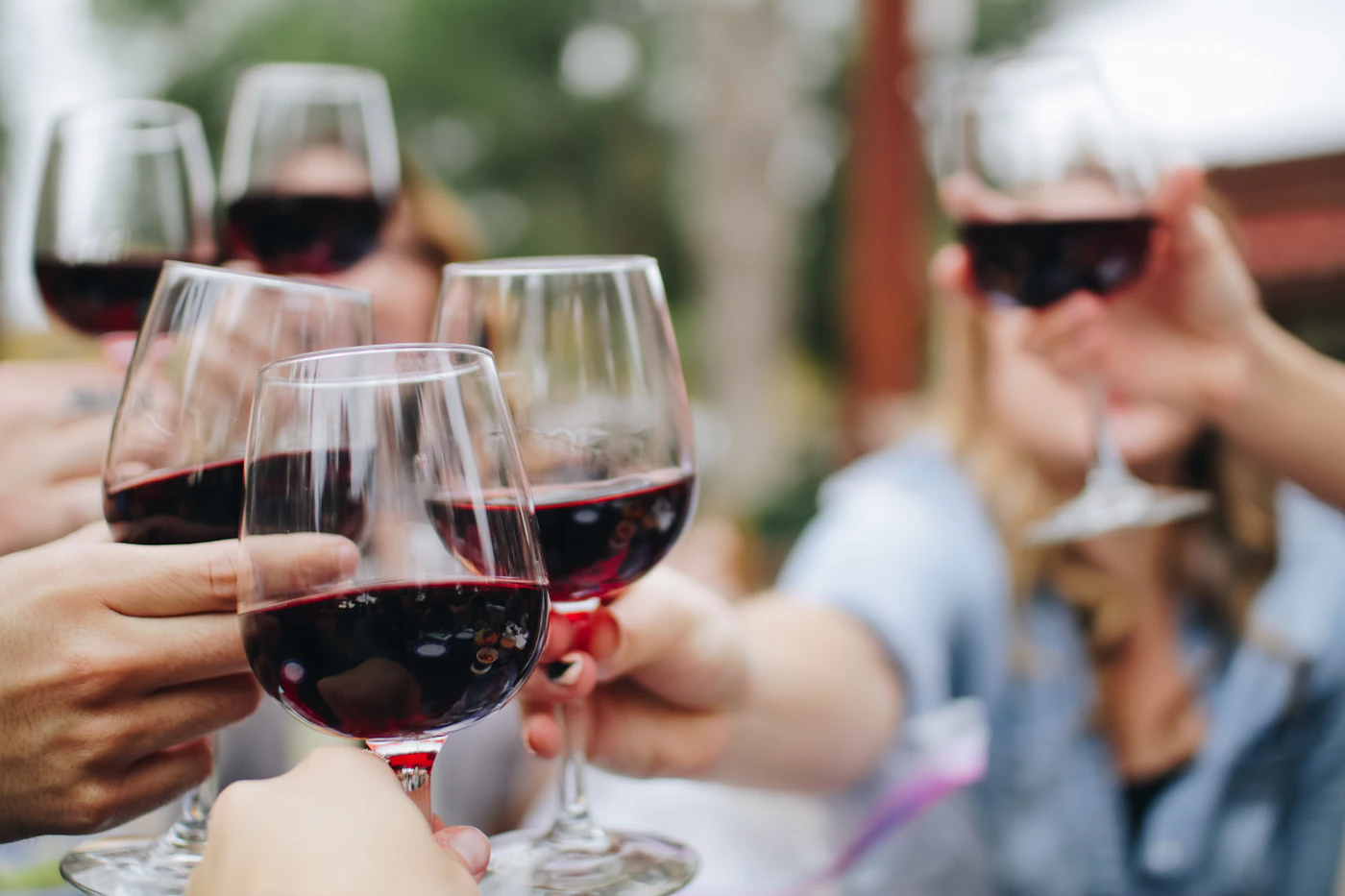
The sommelier at The Leela Ambience Gurugram started using an iPad to take orders in 2022. Not for speed — table service at a five-star property doesn't need to be faster — but because he'd found that guests who could browse the wine list visually, with photos and tasting notes, ordered a second bottle 40 percent more often than guests reading from a paper list. He'd done the analysis himself, over three months, for a performance review that became a business case for his GM instead. Wine programme revenue at that outlet increased 28 percent over the following year without a single new label being added.
Building a wine programme for an Indian hotel or restaurant is fundamentally different from building one in Paris or London — not because the wines are different (which they are, increasingly), but because the customer base and import economics create a completely distinct opportunity set. Understanding those specifics is what separates a wine list that generates revenue from one that sits as a beautiful anachronism behind a drinks menu.
Indian Wine: The Honest Assessment
India's domestic wine industry has matured faster than its critics expected. Sula Vineyards (Nashik), Fratelli Wines (Akluj, Maharashtra), and Grover Zampa (Bangalore) all produce wines that hold up to a fair comparison with entry-tier European imports. Sula's Rasa Cabernet Sauvignon and Fratelli's Sette reserve wines have both appeared on shortlists at international competitions. More importantly from a hotel F&B perspective, they are priced to deliver meaningful margin without pricing out the Indian customer — a bottle selling at ₹450 to a distributor can support a ₹1,800–2,800 menu price at a five-star property.
The honest limitation: India's wine industry doesn't yet produce reliable equivalents to mid-to-upper tier European still wines. Varieties needing long cool maturation — Burgundy-style Pinot Noir, Mosel Riesling — remain import territory. The programme that uses domestic wines strategically (by-the-glass rotation, sparkling, entry-level red and white) and curates imports for premium table positions is currently the winning model at most Indian properties.
Import Landscape: Reducing Duties, Growing Access
The India-UK Free Trade Agreement, finalised in 2026, reduced import tariffs on UK wines from 150 percent to 75 percent over five years. EU FTA negotiations are ongoing and could replicate the trajectory. Practically, this is beginning to make mid-range European wine pricing in Indian restaurants more defensible. A French Burgundy village-level wine that required ₹12,000+ to make economic sense at a five-star property in 2023 can now be realistically positioned at ₹7,500–9,000 and still deliver hotel margin.
Wine Storage and Service Equipment
A wine programme without proper storage is a wine programme that loses quality between purchase and service. For serious wine investment, a dedicated cellar maintaining 12–15°C with 60–70 percent humidity is essential. Commercial wine coolers — EuroCave (France), Transtherm (France), and Liebherr (Germany) are the most widely specified in Indian five-star properties — start at ₹1.5 lakh for 50-bottle capacity and scale to ₹8–15 lakh for 200-bottle display units. For restaurants without a dedicated cellar, under-counter wine coolers at ₹45,000–1.2 lakh represent a practical starting point.
By-the-Glass Programme: Where the Revenue Lives
For most Indian hotel restaurants, the by-the-glass programme delivers better revenue than bottle sales — because the Indian dining culture is not yet wine-bottle-centric, but is increasingly open to a single glass with a meal. A well-designed BTG programme with six to eight labels, regularly rotated, introduces guests to wines they then order by bottle on return visits. A Coravin preservation system (₹80,000–1.8 lakh depending on model) allows premium bottles to be poured by the glass without oxidation — enabling a wider BTG list without the spoilage risk that makes operators conservative.
Sourcing Wine and Cellar Equipment for Indian Hotels
For domestic wine stock, Sula, Fratelli, and Grover Zampa all have trade sales teams for hotel and restaurant volume accounts — contact directly for institutional pricing. For imported wine, CIABC-registered importers and specialty wine distributors (primarily Mumbai and Delhi based) handle distribution; AAHAR's specialty beverages section features importers annually. For wine storage equipment — EuroCave, Transtherm, Liebherr — specialist importers in Mumbai and Delhi handle procurement and installation. Hospiverse India's F&B and bar equipment categories cover wine storage equipment and beverage programme supplies. IndiaMart provides price discovery for wine coolers and storage racks from domestic manufacturers; JustDial is useful for locating local wine cellar installation and maintenance service partners.
Sources: Wine Society of India: Domestic wine market report 2025. CIABC: India wine import tariff data and FTA analysis 2026. Sula Vineyards and Fratelli Wines: Trade pricing documentation. EuroCave India: Hotel wine storage installation case studies. Sommelier interviews, Leela, Taj, and Oberoi properties, Q1 2026.
Frequently Asked Questions
Which Indian wines are good enough for a hotel wine list?
Sula Rasa Cabernet Sauvignon, Fratelli Sette reserve, and Grover Zampa La Réserve are the most credible Indian wines for hotel and restaurant wine lists in 2026. Indian sparkling wines from Sula and Grover perform well in the by-the-glass segment. A distributor selling to a hotel at ₹450 per bottle can support a ₹1,800–2,800 menu price at a five-star property.
What does a wine storage cooler cost for an Indian hotel?
Commercial wine coolers for hotel use run ₹45,000–1.2L for undercounter units (50–120 bottle capacity) from EuroCave and Liebherr. Dedicated cellar cooling units for larger wine storage rooms run ₹1.5–8L depending on room size and temperature stability requirements. For serious wine investment, maintain 12–15°C and 60–70% humidity.
What is a by-the-glass wine programme and how does it work for Indian hotels?
A by-the-glass programme offers 6–8 wine labels available as single pours rather than full bottles. For Indian hotel restaurants where bottle ordering is less culturally ingrained, BTG programmes generate higher per-guest revenue than bottle lists. A Coravin preservation system (₹80,000–1.8L) allows premium wines to be poured by the glass without oxidation, expanding the BTG list without spoilage risk.
Discover verified HORECA brands on Hospiverse India
4,500+ products. 100+ verified brands. Free for HORECA buyers — no commission, no platform fee.